Main content
- INTRODUCTION TO HEAT-RESISTANT PAINT
- ADVANTAGES AND BENEFITS OF HEAT-RESISTANT PAINT
- APPLICATION AND CLASSIFICATION OF HOT RESISTANT PAINT
- STANDARDS, QUALITY, AND EXPERIMENT HOT RESISTANT PAINT
- COOL ROOF" TECHNOLOGY AND HOT RESISTANT PAINT
- THE PROCESS OF ANTI-HOT PAINT CONSTRUCTION
- PRICE LIST AND COSTS OF HOT RESISTANT PAINT CONSTRUCTION
- ROLE OF HEAT RESISTANT PAINT IN ENVIRONMENTAL PROTECTION
- FREQUENTLY PROBLEMS AND SOLUTIONS WHEN CONSTRUCTION OF HEAT RESISTANT PAINT
- NEW TECHNOLOGY AND FUTURE OF HOT COAT
- CHEAP ANTI-HOT, ANTI-CHEAP CONFERENCE CONSTRUCTION UNIT IN HCMC

The solution for applying heat-resistant paint is a professional process aimed at enhancing the insulation properties and protecting the surface from the effects of high temperatures. To gather more information about this type of paint, please join us in exploring the article below.
INTRODUCTION TO HEAT-RESISTANT PAINT
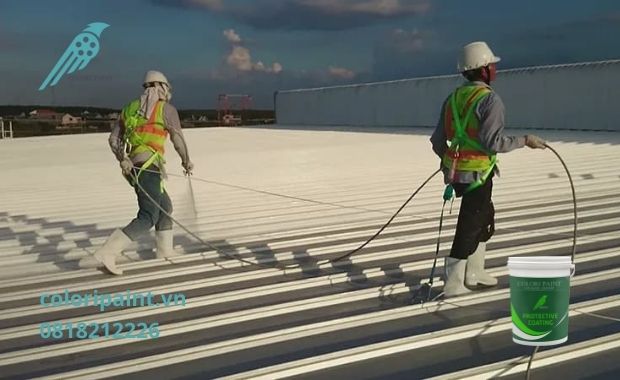
INTRODUCTION TO HEAT-RESISTANT PAINT
What is heat-resistant paint?
Heat-resistant paint is a special type of paint designed to reduce the impact of high temperatures and sunlight on the painted surface. This paint contains heat-reflective materials and the ability to reflect sunlight, helping to lower the surface temperature and create a cooler environment.
The primary purpose of heat-resistant paint is to limit the absorption of heat from the sun into the surface, reduce internal temperatures, and create a more comfortable environment for buildings, structures, and other surfaces. Heat-resistant paint is commonly used on roofs, exterior walls, and surfaces that are directly exposed to sunlight.
Heat-resistant paint comes in various colors and finishes, depending on aesthetic and functional requirements. Using heat-resistant paint not only helps save energy by reducing the need for air conditioning but also creates more comfortable living and working conditions in tropical and harsh environments.
The Role And Benefits Of Heat-Resistant Paint Application
Heat-resistant paint serves a crucial role and offers diverse benefits in construction projects, beyond its aesthetic appeal:
Thermal stability
One of the primary roles of heat-resistant paint is to stabilize surface temperatures. During scorching hot days, direct sunlight can significantly elevate surface temperatures of buildings and structures, causing discomfort to occupants. Heat-resistant paint possesses the ability to reflect heat and sunlight, limiting the rise in surface temperature, reducing the sensation of heat, and providing a cooler environment.
Health protection
Heat-resistant paint plays a vital role in safeguarding human health. Sunlight contains harmful ultraviolet rays that can be detrimental to the skin and overall health. Heat-resistant paint helps mitigate the impact of ultraviolet rays and high temperatures, reducing the health risks associated with environmental factors, especially in tropical climates.
Reduce stress and noise
In environments with significant temperature fluctuations, construction materials tend to expand and contract, causing stress and generating uncomfortable noise. Thanks to its heat-reflective properties, heat-resistant paint helps reduce the expansion and contraction of materials due to temperature variations. This, in turn, also reduces the noise produced by these expansions and contractions, creating a more pleasant living and working environment.
Energy saving
In tropical regions, cooling and air conditioning systems demand a significant amount of electrical energy. Heat-resistant paint provides thermal insulation for structures, reducing the impact of external heat on the interior. This leads to a decreased need for air conditioning and cooling, resulting in energy savings and reduced strain on the electrical grid.
Increase durability for the project
Tropical environments can lead to wear and deterioration of painted surfaces and construction materials. Heat-resistant paint creates a protective layer on the surface, helping to prevent the infiltration of water and other environmental agents. This enhances the durability and lifespan of painted surfaces and construction materials, ensuring that the structure maintains its beauty and sustainability over an extended period.
Applying heat-resistant paint not only enhances the aesthetics of a construction project but also delivers a host of significant benefits. From stabilizing temperatures, protecting health, reducing stress and noise, saving energy, to increasing the durability of the structure, heat-resistant paint has proven its valuable role.
ADVANTAGES AND BENEFITS OF HEAT-RESISTANT PAINT

ADVANTAGES AND BENEFITS OF HEAT-RESISTANT PAINT
Surface Protection And Resistance To Rust And Corrosion
Heat-resistant paint not only enhances the appearance of surfaces but also offers a crucial advantage in protecting them from rust and corrosion. Particularly in humid and tropical environments, painted surfaces can be susceptible to environmental factors. Heat-resistant paint creates a protective, waterproof layer that helps prevent the infiltration of water and corrosive agents, safeguarding the long-term durability of the structure and materials.
Weather Resistance And Uv Ray Resistance
Another important advantage of heat-resistant paint is its ability to withstand the effects of weather conditions and solar radiation. Weather elements such as rain, wind, and temperature fluctuations can be detrimental to painted surfaces. Heat-resistant paint creates a physical waterproof barrier, protecting the surface from environmental factors and minimizing weather-related erosion. Additionally, its ability to reflect solar radiation helps shield structures from temperature increases and the impact of ultraviolet rays.
Reduce Temperature In Construction Space
Another significant benefit of heat-resistant paint is its ability to reduce the temperature within a construction space. On hot sunny days, buildings can absorb and retain heat, creating an uncomfortable environment. Heat-resistant paint can reflect both heat and sunlight, lowering the surface temperature and creating a cooler atmosphere. This is particularly important for providing comfortable working and living conditions for employees and residents.
Aesthetic And Landscape Benefits
Heat-resistant paint serves not only as a waterproofing solution but also plays a crucial role in enhancing the aesthetic beauty of a construction project. Heat-resistant paint comes in various colors and finishes, creating bright and aesthetically pleasing surfaces. This helps improve the overall appearance of the structure, creating a harmonious and elegant living and working space.
Energy And Financial Savings
Finally, heat-resistant paint provides financial benefits through energy savings. Its insulation properties reduce the impact of external heat on the interior of a structure, leading to decreased reliance on air conditioning and cooling systems. This results in energy savings and reduced electricity costs. Moreover, this not only eases the burden on the electrical grid but also contributes to environmental conservation.
Heat-resistant paint offers not only important advantages such as surface protection, weather resistance, temperature reduction within spaces, aesthetic and landscaping benefits but also aids in saving energy and finances. Heat-resistant paint has proven its practical role in improving the quality of life and safeguarding the surrounding environment.
APPLICATION AND CLASSIFICATION OF HOT RESISTANT PAINT
HOT RESISTANT PAINT IN INDUSTRIES
Heat-resistant paint has wide-ranging and crucial applications in various industries, playing a significant role in protecting and enhancing the performance of structures and equipment. In the construction industry, heat-resistant paint is used for insulation in buildings, warehouses, cold storage facilities, and other residential and commercial structures. Its insulation and heat-reflective properties help limit the transfer of heat from the outside to the inside, creating a more comfortable environment for work and living, especially during hot seasons.
Furthermore, in the manufacturing industry, heat-resistant paint is applied to protect machinery, equipment, and components from the effects of temperature and environmental factors. Manufacturing equipment often generates high levels of heat during continuous operation, and the use of heat-resistant paint helps reduce the surface temperature of these components, maintaining better performance and increasing their lifespan.
Anti-Hot Paint For Factory And Roof Roof

Anti-Hot Paint For Factory And Roof Roof
Factory roofs and house roofs often come into direct contact with sunlight and the impact of weather conditions. This leads to an increase in surface temperature and a greater need for air conditioning to maintain a comfortable working or living environment. Heat-resistant paint is an effective solution to protect and cool these roof structures.
The heat-reflective properties of heat-resistant paint help reduce the surface temperature, creating a more comfortable working and living environment. Therefore, using heat-resistant paint not only helps create a safe and healthy working environment for employees but also reduces the heat load on cooling systems and saves energy.
Classification Of Anti-Hot Paint
Heat-resistant paint comes in various types, each with its own unique composition and heat-resistant properties. Based on their insulation, heat reflection, and protective capabilities, heat-resistant paints can be categorized as follows:
- Heat-Insulating Heat-Resistant Paint: This type of paint has high insulation properties, helping to maintain a cool environment inside a structure. It is often used in projects with high insulation requirements, such as warehouses, furnaces, and storage rooms that require stable working conditions.
- Heat-Reflective Heat-Resistant Paint: This paint has the ability to reflect solar radiation, reducing heat load and protecting structures from temperature increases. It is commonly used on metal roofs, walls, and outdoor surfaces to create a comfortable environment and reduce the need for air conditioning.
- Heat-Insulating and Waterproof Heat-Resistant Paint: This type combines insulation and waterproofing properties, ensuring that surfaces remain water-resistant and maintaining a dry environment. It is typically used on outdoor surfaces exposed to rain and humidity.
- Material-Based Heat-Resistant Paint: Some heat-resistant paints are formulated with materials containing heat-reflective particles, creating a physical layer that reflects light and heat. These paints possess the ability to reflect solar radiation and reduce surface temperatures, making them suitable for metal roofs and other surfaces that require protection and cooling.
The choice of the appropriate type of heat-resistant paint depends on the intended use, material characteristics, and technical requirements of each project. Understanding these different types of paints and their applications is essential to ensure optimal performance and protection for various construction projects.
STANDARDS, QUALITY, AND EXPERIMENT HOT RESISTANT PAINT
Standards And Quality Certification For Hot Resistant Paint
In the selection and use of heat-resistant paint, adhering to quality standards and certifications is extremely important to ensure the product's performance and sustainability. Standards and certifications help ensure that heat-resistant paint meets the necessary technical and safety requirements. Some important standards and certifications include:
- Product Quality Standards: National and international standards related to heat-resistant paint, such as ASTM, ISO, JIS, etc., specify requirements regarding composition, insulating properties, waterproofing ability, and durability of the product.
- Quality Certifications: Quality certifications from reputable organizations like the National Institute of Standards and Technology (NIST) or certification bodies serve as evidence that heat-resistant paint has undergone testing processes and meets specific requirements.
- Environmental Certifications: Environmentally-friendly heat-resistant paints often have certifications like Eco-labels or ENERGY STAR, demonstrating their sustainability and compliance with environmental regulations.
Performance And Results Of Thermal Insulation And Temperature Resistance
Testing the performance and thermal resistance of heat-resistant paint is essential to ensure that the product meets technical requirements and can effectively operate. Some important tests include:
- Thermal Insulation Testing: This test measures the thermal insulation capabilities of heat-resistant paint, determining its ability to retain heat and reduce heat transfer from the outside to the inside of a structure.
- Thermal Reflectance Testing: This test measures the paint's ability to reflect light and heat from the sun while reducing surface temperatures.
- Waterproofing Testing: This test assesses the paint's ability to resist water and prevent moisture and humidity from penetrating the painted surface.
- Durability Testing: Durability tests evaluate the longevity and strength of heat-resistant paint when exposed to various weather and environmental conditions.
- Environmental Testing: Environmental testing determines the suitability of the paint for different environmental conditions, including temperature, humidity, and exposure to various environmental factors.
Through these tests, the performance of heat-resistant paint can be assessed, ensuring that it meets standards and technical requirements. This, in turn, guarantees sustainability and effectiveness in protecting and cooling structures and equipment.
COOL ROOF" TECHNOLOGY AND HOT RESISTANT PAINT
Concept And Application Of "Cool Roof" Technology
The "Cool Roof" technology is a design and construction method applied to the roofs and roof surfaces of buildings to reduce surface temperature and internal temperatures. The goal of this technology is to create surfaces that have the ability to reflect sunlight and reduce heat buildup, thereby cooling the interior space and reducing energy consumption for cooling.
The "Cool Roof" technology is commonly applied to various types of roofing materials, including metal roofs, concrete roofs, cement roofs, and others. These surfaces often directly expose to sunlight and are affected by weather conditions, which can lead to elevated surface temperatures and increased demand for air conditioning. This technology helps create a surface that has the ability to reflect heat, lower surface temperatures, and provide a cooler environment inside the building.
Benefits Of Integrating "Cool Roof" Technology With Anti-Hot Paint
The integration of "Cool Roof" technology with heat-reflective paint brings several significant benefits to the building and the surrounding environment:
- Reduced Surface Temperature: The combination of "Cool Roof" technology and heat-reflective paint creates surfaces with excellent heat-reflecting capabilities, reducing the surface temperature of roofs and other surfaces. This helps maintain a cooler environment and reduces the need for air conditioning.
- Energy Savings: Cool roofs and heat-reflective paint together help reduce heat load and temperature rise inside buildings. This leads to a reduction in energy consumption for cooling, resulting in cost savings on electricity bills and reduced pressure on energy systems.
- Environmental Protection: The use of "Cool Roof" technology and heat-reflective paint can reduce emissions and energy consumption associated with air conditioning. This contributes to environmental protection and mitigates the impact of climate change.
- Extended Roof Lifespan: By reducing surface temperatures, "Cool Roof" technology and heat-reflective paint can help extend the lifespan of roofs, avoiding damage caused by high temperatures and adverse weather conditions.
- Improved Working and Living Conditions: A more stable interior temperature, not excessively hot, creates a more comfortable working and living environment. This leads to more efficient work and an improved quality of life.
The integration of "Cool Roof" technology with heat-reflective paint offers various advantages, ranging from reducing surface temperatures and energy savings to environmental protection and extended building lifespan.
THE PROCESS OF ANTI-HOT PAINT CONSTRUCTION
Step 1: Information Gathering and Site Survey
The first step in the process of applying heat-reflective paint is to receive project information from the customer and conduct a site survey. Through this survey, factors such as surface type, weather conditions, environmental considerations, and technical requirements are determined. This helps define the scope of work and select the appropriate heat-reflective paint.
Step 2: Quotation and Selection of Suitable Heat-Reflective Paint
Based on the survey findings, the contractor will provide a project quotation, including costs related to materials, labor, equipment, and other factors. After receiving the quotation, the customer will review and approve it. The selection of the suitable heat-reflective paint will also be made in this step, based on technical requirements and project characteristics.
Step 3: Surface Preparation and Cleaning
Before proceeding with the application, the surface needs thorough preparation. Surface preparation steps include cleaning, washing, and removing old paint layers or dirt. Cleaning the surface ensures that the heat-reflective paint adheres well and penetrates effectively into the surface for optimal performance.
Step 4: Application of Primer and Heat-Reflective Coating
After the surface has been prepared, a primer will be applied to create the best base for the heat-reflective paint. Once the primer has dried, the heat-reflective paint will be applied. This process requires precision and technical expertise to ensure an even and proper application of the paint.
Step 5: Inspection and Project Acceptance
After the completion of the application, the project will undergo inspection and acceptance testing. This includes checking the thickness and uniformity of the paint layer, adhesion properties, waterproofing capabilities, heat-reflectivity, and other technical requirements. If the project meets these requirements, the acceptance process is completed, and the project is approved.
The heat-reflective paint application process involves several critical steps, from the initial survey to the final inspection and acceptance. This ensures that the finished product meets the required standards and technical specifications, delivering the best performance for the project.
PRICE LIST AND COSTS OF HOT RESISTANT PAINT CONSTRUCTION
Latest Price List Of Hot Resistant Paint Construction 2023
Here are some reference price ranges for heat-reflective paint application in 2023. However, specific prices may vary depending on the geographic location, project scale, type of heat-reflective paint used, and the specific requirements of the customer:
1. Heat-Reflective Paint Application for Metal Roofs:
- Average price range: 80,000 - 150,000 VND per square meter.
- Prices may vary based on the type of heat-reflective paint and the roof area.
2. Heat-Reflective Paint Application for Walls:
- Average price range: 60,000 - 120,000 VND per square meter.
- Prices may vary depending on the wall area and the type of heat-reflective paint.
3. Heat-Reflective Paint Application for Residential Buildings (Houses):
- Average price range: 100,000 - 180,000 VND per square meter.
- Prices may vary based on the type of heat-reflective paint, project area, and number of floors.
Current Price For Renting Workers To Construction Anti-Hot Paint
The cost of hiring labor for heat-reflective paint application can indeed vary based on geographic location, the experience level of workers, and the quality of labor. Here are reference labor hire rates for heat-reflective paint application in 2023:
1. Professional Painters:
- Average rate: 300,000 - 500,000 VND per day.
- Prices may increase if the job requires high technical expertise.
2. General Laborers for Application:
- Average rate: 150,000 - 300,000 VND per day.
- Prices may vary depending on the region and the experience of the laborers.
Please note that these rates are for reference purposes only and can vary significantly due to various factors. For accurate and specific information regarding labor costs for heat-reflective paint application, it's advisable to obtain quotes from professional contractors based on the specific requirements of your project.
ROLE OF HEAT RESISTANT PAINT IN ENVIRONMENTAL PROTECTION
Environmental Impact And Importance Of Sustainability
Heat resistant paint plays an important role in protecting the environment and promoting sustainability in the construction industry. This approach not only ensures the performance and comfort of the buildings, but also contributes to reducing the negative impact on the environment. Sustainable intensification in construction is especially important in the context of climate change challenges and increasing environmental status.
Environmental Friendly Of Hot Resistant Paint
Heat resistant paint is typically developed and manufactured with the goal of reducing negative environmental impacts, ensuring eco-friendliness and sustainability. Some important points about the environmental-friendliness of heat-reflective paint include:
- Environmentally Friendly Design: Heat-reflective paint manufacturers are increasingly focusing on developing products with environmentally friendly ingredients and formulations. This involves using materials that are less harmful and limiting the emission of harmful gases.
- Non-toxic Composition: Environmentally friendly heat-reflective paint usually does not contain harmful compounds such as Volatile Organic Compounds (VOCs), lead, or mercury. This helps ensure that the application and use of the paint do not contribute to air and soil pollution.
- Sustainability: Environmentally friendly heat-reflective paint often exhibits good adhesion and durability over time. This helps extend the lifespan of the painted surface, avoiding the need for frequent reapplication and conserving resources.
- Energy Efficiency: Heat-reflective paint with eco-friendly properties has excellent heat-reflecting capabilities, which reduce surface and interior temperatures. This leads to a reduction in energy consumption for cooling and a decrease in greenhouse gas emissions.
The role of heat-reflective paint in environmental protection is crucial. The eco-friendliness of these products contributes to building a sustainable living environment and mitigates the negative impacts of the construction industry on the environment.
FREQUENTLY PROBLEMS AND SOLUTIONS WHEN CONSTRUCTION OF HEAT RESISTANT PAINT
Surface Treatment And Surface
During the process of applying heat-reflective paint, surface preparation and adhesion can pose challenges. To ensure that the heat-reflective paint adheres well and penetrates the surface effectively, the following principles should be followed:
- Surface Cleaning: Before application, the surface must be thoroughly cleaned to remove dust, dirt, oil, grease, residues, and any old paint layers. This ensures that the heat-reflective paint adheres well.
- Treating Cracks and Holes: Any cracks and holes on the surface need to be carefully treated. Using patching compounds or crack-resistant primers can help enhance surface integrity and prevent the new paint layer from being affected by old cracks.
- Primer Coating: A primer coat is applied before the heat-reflective paint to create a smooth base and enhance the adhesion of the heat-reflective paint.
- Surface Preparation: Polishing or sanding the surface can improve adhesion by creating a smooth surface and increasing the contact area between the paint and the surface.
Surface Treatment And How To Treat
During the application process, surface issues such as peeling, cracking, and uneven paint can occur. To address and prevent these issues, the following measures should be taken:
- Pre-Inspection: Before commencing the application, it's essential to thoroughly inspect the surface to identify any cracks, holes, or areas where old paint is peeling. Perform necessary repairs or surface preparation before applying the heat-reflective paint.
- Use Quality Products: Use high-quality heat-reflective paint and follow the manufacturer's guidelines to ensure the best performance.
- Proper Primer Application: Applying the primer coat correctly helps create a solid base for the heat-reflective paint and reduces the risk of peeling and cracking.
- Thorough Post-Application Inspection: After completing the application, carefully inspect the surface to detect issues like peeling or uneven paint. When issues are identified, address them promptly to prevent further problems.
In summary, surface preparation and addressing errors during the heat-reflective paint application process are crucial to ensuring the product's performance and durability. This requires precision and technical expertise to ensure that the heat-reflective paint is applied correctly and achieves optimal performance.
NEW TECHNOLOGY AND FUTURE OF HOT COAT
New Technology In The Production Of Anti-Hot Paint
The heat-reflective paint industry continues to evolve and innovate to meet demands for performance, sustainability, and environmental friendliness. Here are some new technologies in heat-reflective paint production:
- Nanomaterial-Based Heat-Reflective Paints: The development of nanomaterials has opened up opportunities to create high-performance heat-reflective paints. These paints utilize nanoscale particles to enhance their thermal reflectivity and adhesion capabilities.
- Pollution-Resistant Heat-Reflective Paints: New technologies are exploring ways to incorporate pollution-resistant compounds into heat-reflective paint formulations. This helps reduce the impact of air and environmental pollution on painted surfaces.
- Smart Heat-Reflective Paints: IoT (Internet of Things) technologies can be integrated into heat-reflective paints to monitor and automatically adjust surface temperatures. This optimization can enhance cooling efficiency and energy savings.
Trends And Development Planning Of The Hot Resistant Paint Industry
The heat-reflective paint industry is moving towards developing environmentally friendly, higher-performance products and integrating advanced technologies. Here are some trends and development forecasts for the heat-reflective paint industry:
- Enhanced Thermal Performance: Heat-reflective paint products will continue to be improved to achieve better thermal performance, reducing surface temperatures and saving energy for cooling.
- Development of Eco-Friendly Heat-Reflective Paints: The focus on using environmentally friendly materials and reducing harmful chemicals in production will continue to shape this industry.
- Advanced Aesthetic Technologies: Heat-reflective paints also play a role in improving the aesthetics and landscaping of structures. New paint technologies will be developed to create heat-reflective coatings with rich colors and patterns.
- Smart Monitoring and Management Technology: Heat-reflective paints can be integrated with smart monitoring and management technologies, allowing users to efficiently monitor performance, track the condition of painted surfaces, and schedule maintenance.
In summary, the heat-reflective paint industry is experiencing continuous development with new technologies and trends driving performance, sustainability, and future advancements.
CHEAP ANTI-HOT, ANTI-CHEAP CONFERENCE CONSTRUCTION UNIT IN HCMC
Warranty Policy And Commitment Of The Company
Colori Paint is a specialized service provider for heat-reflective and rust-resistant roof painting in Ho Chi Minh City. We are committed to delivering the highest level of customer satisfaction and effectiveness. We take pride in our warranty and commitment as follows:
- Top-Quality Products: Colori Paint guarantees the use of the highest-quality heat-reflective and rust-resistant paints, ensuring effectiveness and durability for your roof.
- Extended Warranty: We offer an extended warranty policy for our heat-reflective and rust-resistant painting services. If any issues arise after project completion, we will conduct inspections and repairs in accordance with our warranty policy.
- Professional Consultation: Our team of experts is always ready to provide guidance and address any questions you may have regarding heat-reflective and rust-resistant painting services. We are committed to providing accurate and reliable information to help you make the best decisions for your home.
Contact For More Information About The Service
If you are interested in Colori Paint's heat-reflective painting services, please don't hesitate to contact us for more detailed information and specific project consultations. Here is our contact information:
Contact information:
CHI HAO TRADING AND SERVICES CO., LTD
- Head Office - Ho Chi Minh City:
- Address: 606/76/4, National Highway 13, Ward Hiep Binh Phuoc, Thu Duc District, Ho Chi Minh City, Vietnam.
- Branch Office - Can Tho:
- Address: 388Z7 Zone 2, Area 2, An Khanh Ward, Ninh Kieu District, Can Tho City, Vietnam.
- Cambodia Office:
- Address: No 86E0 Street 139, Sangkat Vealvong, Khan 7 Makara, Phnom Penh, Cambodia.
- Phone: Ho Chi Minh City Office: +84 28 626 757 76
- Fax: +84 28 626 757 28
- Hotline: +84 818 21 22 26
- Cambodia Hotlines:
- +855 12868178
- +855 70868178
- Email: [email protected]