Main content
- INTRODUCTION TO TENNIS COURT CONSTRUCTION
- Choosing the Location and Dimensions of a Tennis Court
- Tennis Court Subbase Construction
- Handling Of Slope And Drainage For Tennis Courts
- INSTALLATION OF BASIC TENNIS COURT SYSTEM
- EFFICIENT AND QUALITY TENNIS PAINT CONSTRUCTION PROCESS
- Project Note and Management for Tennis Court Construction
- PRICE LIST AND FLEXIBILITY
- WORKPLACE SAFETY AND ENVIRONMENTAL PROTECTION IN TENNIS COURT CONSTRUCTION
- CLASSIFYING TENNIS COURTS ACCORDING TO NEEDS
- DIMENSIONS AND CONSTRUCTION REGULATIONS FOR TENNIS COURTS
- PRICE QUOTATION AND NOTES IN TENNIS COURT CONSTRUCTION
- PRESTIGIOUS AND QUALITY TENNIS COURT CONSTRUCTION UNIT
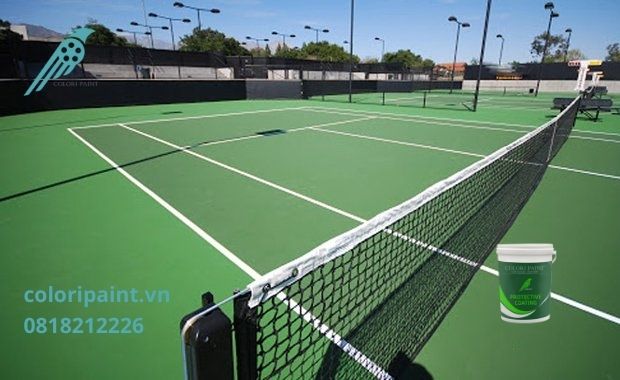
The sport of tennis has attracted a large following due to its outstanding health benefits and joy it brings to life. To provide an excellent experience, the construction of a tennis court not only enhances the aesthetic beauty of the playing space but also ensures perfect grip and optimal slip resistance.
This creates an ideal environment for intense matches and powerful, accurate shots. In the article below, Coloripaint will present in detail and accuracy each step in the tennis court construction process, providing our customers with a comprehensive and insightful view of this work.
INTRODUCTION TO TENNIS COURT CONSTRUCTION
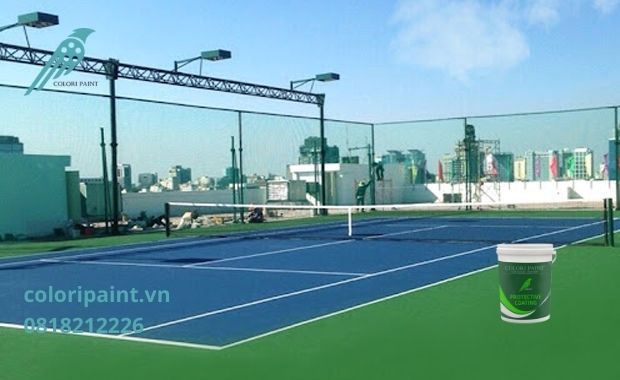
INTRODUCTION TO TENNIS COURT CONSTRUCTION
AN OVERVIEW OF TENNIS COURT CONSTRUCTION
Tennis court construction is the process of creating a sports facility dedicated to the sport of tennis, involving fundamental elements such as the court surface, net systems, and lighting. This process demands meticulous planning, thorough preparation, and careful execution to ensure that the tennis court meets the required standards and quality.
PURPOSE AND BENEFITS OF TENNIS COURT CONSTRUCTION
The purpose of tennis court construction: The primary purpose of constructing tennis courts is to create a professional and safe sports space for sports enthusiasts and tennis players. The main objectives include:
Promoting sports participation: Tennis court construction provides favorable conditions for everyone to participate in sports activities, especially in the sport of tennis. It is a place for improving health, skills, and deriving joy from playing tennis.
Creating an entertainment space: Tennis courts are not just places for sports; they also serve as entertainment spaces, allowing people to relax and enjoy moments of happiness with family and friends.
Fostering sports development: A well-constructed tennis court supports the organization of tournaments and awards, from the local to national levels. This contributes to the development and enhancement of the quality of tennis as a sport within the community.
Benefits of Tennis Court Construction
The construction of tennis courts brings numerous significant benefits to both players and the surrounding community. Below are the key advantages of tennis courts:
Facilitating sports activities: Tennis courts provide a safe and professional environment for people to engage in sports activities. This helps improve health, enhance physical fitness, and develop tennis skills.
Creating a playground for all ages: Tennis is a sport suitable for all ages, from children to the elderly. Tennis courts offer opportunities for everyone to enjoy the joy of sports and social connections.
Promoting unity: Participation in tennis activities on the court fosters a sense of unity within the community. People come together and cheer for each other, creating a positive and encouraging environment.
Contributing to community building: Tennis courts become a meeting point and interaction hub for the community. Residents have the opportunity to socialize, make friends, and promote social development.
Stimulating the local economy: The construction and maintenance of tennis courts create job opportunities for local residents, from construction work to maintenance and court management.
The Importance of Adhering to Tennis Court Standards

The Importance of Adhering to Tennis Court Standards
Ensuring Fairness and Safety
Adhering to tennis court standards plays a crucial role in ensuring fairness and safety in every match and game. Standards regarding court dimensions, shape, lighting, and other technical elements help ensure that everyone participates in the game in a professional and equitable environment.
Integration into the Community
A tennis court that adheres to standards not only provides a place for sports but also becomes a part of the community. Compliance with standards helps tennis courts gain recognition and approval from sports organizations and local authorities, fostering connections and integration with the surrounding community.
Quality Assurance in Matches
Tennis court standards ensure that every match takes place in a fair and high-quality environment. Courts built to the correct dimensions and specifications ensure that each player has an equal opportunity to showcase their talent and skills.
Promoting Sports Development
Adhering to tennis court standards is an essential way to promote the development of the sport. When courts are built and operated to high-quality standards, they attract more participants and create a conducive environment for nurturing talent and training young players.
Protecting Health and Safety
Tennis court standards also ensure that the sports environment is safe for everyone involved. Factors such as lighting, court surface, and drainage systems are designed to reduce the risk of injuries and protect the health of players.
Enhancing the Overall Experience
Tennis courts that adhere to standards provide a better sports experience for both players and spectators. These courts ensure elements such as good visibility, even playing surfaces, and quality, allowing everyone to enjoy the game to the fullest.
Choosing the Location and Dimensions of a Tennis Court
Selecting the Orientation and Placement of the Tennis Court:
Choosing the orientation for setting up a tennis court is a crucial factor to ensure that matches take place under optimal conditions and meet sports requirements. Below are some factors to consider when selecting the orientation of a tennis court:
- Sunlight Direction: The placement of the tennis court should be calculated to ensure that sunlight shines on the court effectively. This helps avoid glare for players and ensures a comfortable sports environment.
- Wind Direction: Choose the orientation so that the prevailing wind direction does not directly impact the ball's trajectory. This helps avoid situations where the wind alters the direction and speed of the ball, affecting the game.
- Environmental Factors: Take into account the environment around the tennis court, such as densely populated areas, other amenities, and noise. The placement should minimize negative impacts from these factors on the sports environment.
Choosing the placement location for a tennis court requires careful consideration to ensure that it suits the space available and meets the requirements of the sport. Here are some points to consider when selecting the placement location for a tennis court:
- Ensuring Adequate Land Size: A tennis court needs sufficient space to ensure that the court's dimensions and markings conform to standards. Determine the size and shape of the land to ensure that the court can be constructed appropriately.
- Safety for Players: Choose a location that doesn't pose risks to players and visitors. Avoid areas with potential accidents or unsafe environments.
- Surrounding Amenities: The placement location should be convenient for accessing and utilizing amenities such as parking, restrooms, and resting areas.
Standard Dimensions and Regulations for Tennis Courts
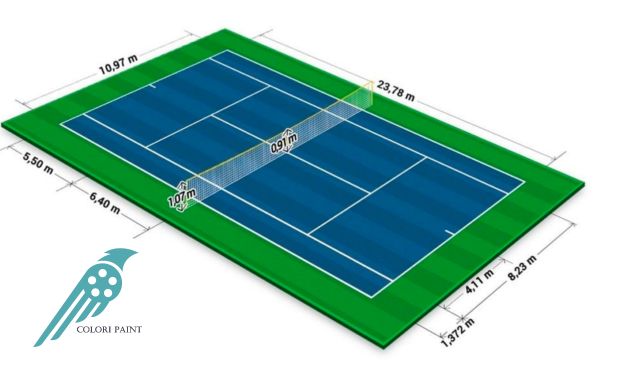
Standard Dimensions and Regulations for Tennis Courts
Standard Dimensions:
The standard dimensions for tennis courts are tightly regulated to ensure that every match is fair and enjoyable. Below are the standard dimensions for tennis courts:
Singles Court:
- Length: 23.77 meters (78 feet)
- Width: 8.23 meters (27 feet)
Doubles Court:
- Length: 23.77 meters (78 feet)
- Width: 10.97 meters (36 feet)
Spacing Between Lines:
- Distance between singles sideline and doubles sideline: 10.97 meters (36 feet)
- Distance between the singles sideline and the doubles sideline: 8.23 meters (27 feet)
Regulations for Tennis Courts:
In addition to standard dimensions, there are several other regulations for tennis courts to ensure matches take place in a safe and professional environment:
- Court Surface: The court surface needs to be regularly maintained and cleaned to ensure it remains level and safe for players.
- Lighting System: If the tennis court is used during the evening or at night, the lighting system must ensure even and adequate lighting for players to effectively track and hit the ball.
- Drainage System: Tennis courts need a good drainage system to prevent waterlogging during rain, ensuring matches can proceed normally.
- Markings: Court markings must be clearly and accurately drawn according to standards, ensuring players can identify the playing areas and hit the ball accurately.
Standard Slope and Drainage for Tennis Courts
Court Slope:
The slope of a tennis court plays a crucial role in ensuring effective drainage and optimal playing conditions. The slope must be designed in a way that doesn't hinder the movement of players and the ball. Here are some factors to consider regarding the slope of a tennis court:
- Overall Slope: A tennis court should have a gentle overall slope, directing water away from the center of the court. This helps rainwater to drain easily from the court, preventing waterlogging.
- Surface Slope: The court surface should have a slight slope to ensure proper drainage. This slope should not be too steep to avoid high ball bounce or player safety hazards.
Standard Drainage:
The drainage system for a tennis court is crucial to ensure the court remains dry and ready for matches. Here are some key considerations for standard drainage on tennis courts:
- Drainage Pipe System: Tennis courts should have a well-designed drainage pipe system placed beneath the court surface to ensure effective drainage of rainwater.
- Ensuring No Clogs in the System: The drainage system should be regularly inspected to ensure there are no clogs or blockages. Maintenance and cleaning of the drainage system are essential to ensure its efficient operation.
- Court Surface Drainage: The court surface should be designed to facilitate easy drainage. Natural grass surfaces often have better drainage capabilities compared to other surface types.
Tennis Court Subbase Construction
Constructing the subbase for a tennis court is a crucial step in building a high-quality tennis court.

Tennis Court Subbase Construction
Preparing the Site and Materials
Preparing the Construction Site
Preparing the site is a fundamental step to ensure a smooth and efficient tennis court construction process. Here are some basic steps in site preparation:
- Site Location: Before commencing construction, it's essential to determine the specific location for the tennis court. This involves specifying the orientation, dimensions, and precise positioning on the ground.
- Planning: Develop a detailed construction plan, including timelines, resources, and specific steps involved in the construction process.
- Cleaning and Leveling: Before starting construction, the site should be cleaned and leveled to ensure stability and quality during the construction process.
Choosing Materials
Selecting materials for tennis court construction has a significant impact on the quality and performance of the court. Here are some common materials used in tennis court construction:
- Synthetic Rubber: Synthetic rubber is often used for the court surface. It creates an elastic surface that helps minimize impact on players' muscles and bones.
- Artificial Turf: Artificial turf is another popular choice for court surfacing. It provides a soft surface while also offering good drainage capabilities.
- Natural Grass: Some tennis courts are constructed with real grass. However, maintaining and caring for natural grass courts can be complex and requires special attention.
Materials Management
Managing materials during the construction of a tennis court is crucial to ensure a sufficient supply and maintain the quality of the final product. Here are some tips for materials management:
- Create a Usage Plan: Develop a detailed plan for material usage, including timelines and the quantity of materials required for each construction phase.
- Quality Inspection: Before using any materials, conduct quality inspections to ensure they meet the necessary standards and technical requirements.
- Inventory Monitoring: Keep track of material inventory to ensure a steady supply and avoid shortages.
Evaluating and Preparing the Ground Before Court Construction
Assessing the Current Ground
Before laying the foundation for a tennis court, assessing the existing ground is a crucial step to ensure a successful construction process. Here are the steps involved in evaluating the ground:
- Check for Levelness: Inspect the ground to ensure that the surface is not uneven or significantly sloped. This ensures that the court's foundation will be laid evenly and not pose any hazards to players.
- Measure Dimensions: Measure the dimensions of the ground to determine whether it meets the standard size requirements for a tennis court. This ensures that the court will be constructed to the proper specifications.
- Inspect Drainage: Assess the ground's drainage capabilities to ensure that there are no areas prone to waterlogging after rain. This helps ensure that the court remains dry and ready for play.
Preparing the Ground
After evaluating the ground, the next step is to prepare it, ensuring that the tennis court is built on a solid foundation. Here are the steps involved in ground preparation:
- Clearing the Ground: Before laying the foundation, the ground needs to be cleared by removing any remaining grass, plant roots, and other unwanted materials.
- Excavation: If necessary, excavation may be performed to ensure a sturdy base with sufficient thickness. The depth of excavation should ensure that the court will not be affected by changes in the underlying soil.
- Creating a Level Surface: After excavation, a level surface should be created by grading the ground. This ensures that both the base and the surface layer will be laid evenly, without hindering movement on the court.
Using Suitable Base Material
The Importance of Base Material
Using appropriate base material is a crucial factor in ensuring that a tennis court meets high-quality standards and complies with sports requirements. The base material plays a pivotal role in creating a playing surface that is soft, resilient, and safe for players.
Choosing Base Material
When selecting base material for a tennis court, several factors should be considered:
- Synthetic Rubber: Synthetic rubber is one of the most common and ideal materials for tennis court surfacing. It offers excellent resilience, minimizing impact on players' joints and bones. Synthetic rubber also has good drainage properties, ensuring the court remains dry and ready for play.
- Artificial Turf: Artificial turf is another popular choice for tennis court surfacing. It creates a soft and resilient playing surface, similar to natural grass. Artificial turf also provides effective drainage, keeping the court dry and suitable for gameplay.
- Natural Grass: Some tennis courts are constructed with natural grass. However, using natural grass requires special care and maintenance to maintain the surface's quality. Natural grass offers a soft and realistic playing surface, providing a natural feel for players.
Using Base Material
After selecting the base material, it's important to follow proper usage and maintenance procedures to ensure the tennis court remains in good condition:
- Regular Maintenance: Perform routine checks and maintenance on the court surface to ensure there are no damages or cracks. The base material should be well-maintained to preserve its resilience and safety.
- Cleaning: Keep the court surface clean by regularly removing weeds, plant roots, or any unwanted debris. Cleaning helps maintain the quality of the surface.
- Proper Usage: Limit the use of the court during extreme weather conditions such as heavy rain or extreme heat to ensure the surface remains in good condition and prolong the lifespan of the base material.
Handling Of Slope And Drainage For Tennis Courts

The standard slope and drainage for a tennis court
The Importance of Slope and Drainage
The handling of slope and drainage for a tennis court is a crucial part of the construction process, ensuring that the surface remains dry and safe for players. Proper slope and drainage systems help prevent water accumulation and meet the requirements for competitive play.
Handling Slope: The slope of a tennis court plays a crucial role in ensuring effective drainage of rainwater and irrigation. Here are the steps for managing slope on a tennis court:
- Determining Slope: Before construction begins, it's essential to determine the necessary slope for the tennis court based on the site's topography and design requirements. Typically, the slope falls within the range of 1-2%, allowing water to drain effectively.
- Excavating Slope: Create the desired slope by excavating the court's surface and leveling it accordingly. Ensure that the slope is consistent and free of irregularities.
- Check the slope: After excavating the slope, verify its accuracy using precise measuring tools. Ensure that the slope meets the design specifications.
Handling Drainage System
A properly designed drainage system is crucial to ensure that the tennis court surface remains dry. Here are the steps involved in managing the drainage system:
- Designing the Drainage System: Design the drainage system based on the court's slope and dimensions, which includes placing drainage pipes and water reservoirs.
- Installing the Drainage System: Proceed with the installation of the drainage system according to the established design. Ensure that drainage pipes and water reservoirs are correctly positioned and capable of efficiently draining water.
- Testing the Drainage System: After installation, test the drainage system by introducing a specified amount of water. Confirm that the system functions effectively and is free of any blockages.
INSTALLATION OF BASIC TENNIS COURT SYSTEM
Installing the Tennis Court Fence System
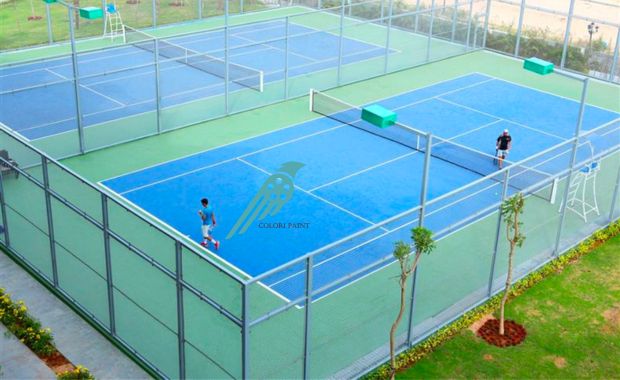
Installing the Tennis Court Fence System
Determining the Fence Location
Before beginning the installation of the fence system, it's important to determine the specific locations for the fences on the tennis court. This includes:
- Defining Boundaries: Clearly establish the boundaries of the tennis court, including the court's dimensions and the positions of the sidelines. This ensures that the fence system is placed correctly and does not encroach on the playing area.
- Gate Placement: Identify the locations for entrance gates and emergency exit gates within the fence system. Gate placements should be convenient for players and spectators to easily enter and exit the court.
Selection Fence Materials
Selecting the right materials for the fence system plays a significant role in determining the durability, safety, and aesthetics of a tennis court. Here are some common materials used for tennis court fencing:
- Metal Mesh: Metal mesh fencing is a popular choice for tennis court fence systems. It allows for good visibility and airflow, creating a spacious and open feel. It provides durability and safety while allowing spectators to watch the game.
- Plastic Mesh: Plastic mesh fencing is known for its protective qualities and comes in a variety of colors to accentuate the court's appearance. It is also resistant to UV rays and can withstand harsh weather conditions.
Installing the Fence System
After determining the location and selecting the materials, proceed with the installation of the tennis court fence system following these steps:
- Column Installation: Begin by installing the main columns for the fence system. Ensure that the columns are securely anchored and standing upright.
- Attach Materials: Attach the mesh or fencing material to the installed columns. Ensure that the material is stretched taut and that there are no gaps or loose sections.
- Safety Inspection: Conduct a thorough safety inspection of the entire fence system to ensure stability and safety. Ensure that no materials are loose or damaged.
Installing Tennis Court Lighting System
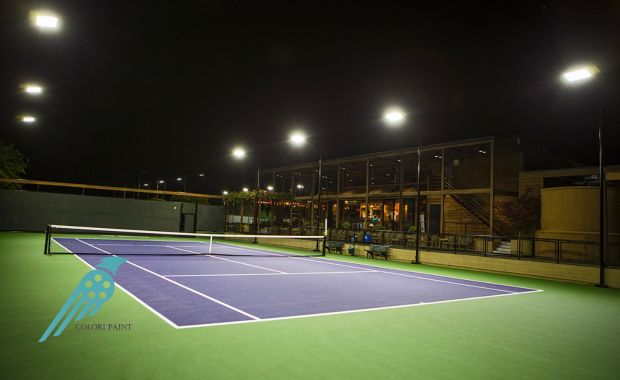
Installing Tennis Court Lighting System
The installation of a tennis court lighting system is essential for enabling matches to be played at night or under low-light conditions. Proper installation ensures that the court remains well-lit for both players and spectators to enjoy the game.
Determining light fixture positions
Before proceeding with the installation of the lighting system, it is essential to specify the exact positions for the lights on the court. This includes:
- Determining the Number of Fixtures: Based on the court's dimensions and lighting requirements, calculate the necessary quantity of light fixtures to ensure even illumination.
- Defining the Fixture Locations: Identify the precise positions for each light fixture on the court, ensuring uniform light distribution and preventing glare that may affect the players.
Selecting Lighting Fixtures
Properly choosing lighting fixtures has a significant impact on the quality of light and energy efficiency. Here are some key considerations when selecting fixtures:
- Type of Fixtures: LED lights are a popular choice due to their energy efficiency and long lifespan. LED fixtures also provide high-quality light without generating excessive heat.
- Wattage: Determine the required wattage for each fixture based on the court's area and desired lighting level.
- Light Quality: Choose fixtures that offer good light quality, ensuring even illumination and avoiding glare.
Installing Lighting Fixtures
After determining the positions and selecting the lights, proceed with the installation of the lighting system following these steps:
- Install Light Poles: Begin by installing the light poles on the court, ensuring they are securely anchored and standing upright.
- Attach the Lights: Mount the lights onto the designated positions on the light poles. Ensure that the lights are securely attached and directed in the correct orientation for optimal illumination.
- Light Testing: Test the illumination from each light fixture to ensure they are functioning properly and providing even lighting across the court.
INSTALLATION OF TENNIS COURT FENCE WALL MESH
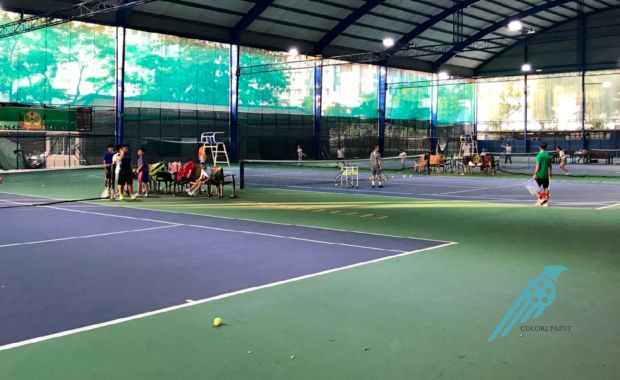
INSTALLATION OF TENNIS COURT FENCE WALL MESH
The tennis court fence net is an important element of a tennis court, serving to define the court's boundaries and provide privacy for competitive activities. Properly installing the tennis court fence net ensures a safe and reliable playing environment.
Determine the location of the fence wall mesh
Before proceeding with the installation, it's essential to determine the specific placement of the tennis court fence net on the court. This includes:
- Defining Boundaries: Identify the boundaries of the tennis court and determine the precise location for the fence net. Ensure that the fence net placement doesn't interfere with the court's dimensions and playing area.
- Gate Locations: Determine the positions for entry gates and emergency exits within the fence net. The gate locations should be suitable for players and spectators to move in and out of the court easily.
Choose Fence Wall Mesh Material
The choice of materials for the tennis court fence net plays a crucial role in determining durability, safety, and aesthetics. Here are some common materials for tennis court fence nets:
- Metal Mesh: Metal mesh is a popular choice for tennis court fence nets. It provides good visibility and allows for a spacious and airy feel while ensuring safety for players and spectators.
- Plastic Mesh: Plastic mesh fence nets offer excellent protection and come in various colors to add visual appeal to the court. They are also known for their resistance to sunlight and durability in harsh weather conditions.
- Canvas Netting: Canvas netting adds an elegant and aesthetic touch to tennis courts. It's often used in venues with high aesthetic demands and a focus on creating a sophisticated ambiance.
Install Fence Wall Mesh
After determining the location and choosing the material, proceed with the installation of the tennis court fence net using the following steps:
- Install Posts: Begin by installing the main posts for the fence net. Ensure that the posts are securely anchored and stand upright.
- Attach the Net: Attach the net to the posts following the designated positions. Make sure the net is stretched tightly, and there are no gaps or loose sections.
- Safety Check: Conduct a thorough safety check of the entire tennis court fence net to ensure it is secure and stable. Ensure that the fence net is not loose or damaged.
EFFICIENT AND QUALITY TENNIS PAINT CONSTRUCTION PROCESS
The process of painting a tennis court is an essential part of building a high-quality tennis court that meets the requirements of both players and spectators. Here's an overview of this process to ensure the best tennis court:
Preparing the Surface Before Tennis Court Painting

Preparing the Surface Before Tennis Court Painting
Preparing the surface before painting a tennis court is the crucial first step in the construction and maintenance process. The court's surface needs to be adequately prepared to provide a strong and suitable foundation, ensuring that the paint adheres securely and durably. This also helps create the best playing surface for players.
Step 1: Removing Unwanted Adherents
Before preparing the surface, it's essential to eliminate any unwanted adherents on the court's surface. This includes removing sand, dust, leaves, and other objects that could interfere with the painting process.
Step 2: Inspecting and Repairing Cracks and Holes
Thoroughly inspect the court's surface to identify any cracks, holes, or irregularities. Small cracks can widen during the painting process, affecting the quality of the paint later on. Use suitable materials to repair and level damaged areas.
Step 3: Cleaning the Surface
Before proceeding with painting, the court's surface must be thoroughly cleaned. Use a stiff brush or pressure washer to remove dirt, grease, and other contaminants from the surface. Ensuring a clean surface will help the paint adhere securely and evenly.
Step 4: Ensuring a Dry Surface
Before painting, make sure that the court's surface is completely dry. An moist surface can cause the paint to adhere poorly and potentially lead to peeling after painting.
Step 5: Ready for the Painting Process
After completing the careful surface preparation steps, you are now ready for the tennis court painting process. This thorough surface preparation ensures that the paint will be applied to an ideal surface, resulting in a perfect tennis court surface that meets all requirements.
Choose The Suitable Type Of Paint For Tennis Courts

Colori Paint tennis court paint
Selecting the appropriate type of paint for tennis courts is a crucial factor in both the construction and maintenance processes. The type of paint not only influences the aesthetics of the court but also ensures quality and durability of the playing surface.
- Determining the Intended Use of the Court: Before selecting the type of paint, it's essential to clearly define the intended use for the tennis court. A court intended for professional competitions will require a different type of paint compared to a court meant for recreational and practice purposes.
- Characteristics of Paint Types:
- Acrylic Paint: Acrylic paint is a commonly used type of paint for tennis courts. It offers high durability, excellent weather resistance, and comes in a variety of colors. Additionally, acrylic paint has good adhesion properties and helps create a smooth court surface.
- Synthetic Resin Paint: Synthetic resin paint is often used on tennis courts in high-traffic areas. This type of paint provides good durability and high resistance to abrasion.
- Durability and Longevity: Choosing a paint type with the appropriate durability and longevity is crucial. The paint needs to withstand impact from tennis balls and maintain its color and quality over an extended period.
- Color and Aesthetics: Selecting suitable colors and aesthetics for the tennis court is essential. The paint colors should provide clear contrast to help players easily track the ball.
PROCEED WITH PRIMER PAINT COATING

PROCEED WITH PRIMER PAINT COATING
The application of primer is an important step in the construction process of tennis courts. Primer plays an important role in creating a foundation for the main paint layer, helping to increase adhesion, durability and ensure the best paint color.
Step 1: Preparing the Surface
Before proceeding with the application of the primer coat, it is essential to ensure that the surface of the court has been meticulously prepared. The surface should be cleaned and thoroughly dried to ensure the effectiveness of the primer coat.
Step 2: Choosing the Suitable Primer Coat
Selecting the appropriate type of primer coat is crucial to ensure the effectiveness of the application process. The primer coat should have good adhesion properties and be compatible with the main paint layer.
Step 3: Applying the Primer Coat
After preparing the surface and choosing the right primer coat, proceed with the application of the primer coat using appropriate tools such as brushes, paint sprayers, or rollers. Ensure that the primer coat is applied evenly and maintains a consistent thickness across the entire court surface.
Step 4: Allowing the Primer Coat to Dry
After applying the primer coat, it is necessary to wait for it to dry completely before proceeding with the application of the main paint layer. The specific drying time may vary depending on the type of primer coat and weather conditions.
Step 5: Inspection and Repairs
Once the primer coat has dried thoroughly, inspect the entire court surface to identify any cracks, holes, or other irregularities. Make necessary repairs to damaged areas before proceeding with the application of the main paint layer.
Application Of Protection Color And Increase Durability
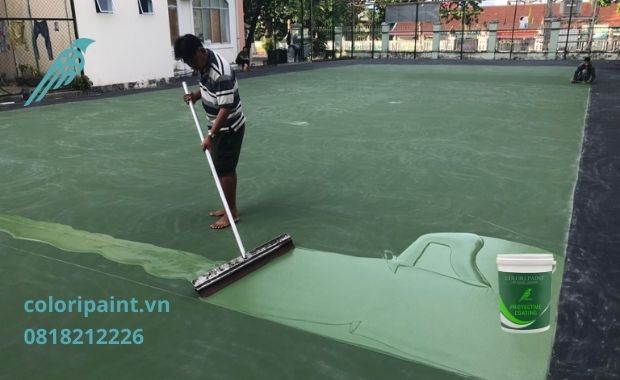
Application Of Protection Color And Increase Durability
The protective topcoat plays a crucial role in safeguarding the surface of various products from environmental impacts, chemicals, sunlight, and other harmful factors. It forms a resilient protective shell, preventing the penetration of corrosive agents and helping the product maintain its beauty and freshness.
Benefits of Applying a Protective Topcoat
Applying a protective topcoat offers several significant benefits:
- Surface Protection: The topcoat creates a durable protective layer that shields the surface from the effects of water, dust, and corrosive chemicals.
- Enhanced Durability: The topcoat safeguards the product from scratches, impacts, and other physical stresses, thereby increasing its durability and lifespan.
- Natural Beauty: In addition to protection, the topcoat enhances the natural beauty and gloss of the surface, elevating the product's aesthetic value.
Process of Applying a Protective Topcoat
Surface Preparation: Before applying the topcoat, it's essential to prepare the surface thoroughly by removing any dust, grease, or other contaminants.
Use Precise Tools: Apply the topcoat using precise tools to ensure an even and drip-free application.
Ensure Adequate Ventilation: Apply the topcoat in a well-ventilated and dust-free environment to facilitate quick and even drying.
Inspect and Test the Project: After completing the construction of the tennis court, the next critical step is inspecting and testing the project before handover. This process ensures that the project has been executed according to the plan, meets quality standards, and complies with regulations.
Comprehensive Project Inspection: Before conducting the final acceptance, perform a comprehensive inspection of the entire project. Ensure that all work has been completed according to the initial design and plan. Check the completion of items such as fence installation, primer and topcoat painting, and other elements.
Safety and Amenities Check: Ensure that the tennis court meets safety and amenity requirements for players and facility managers. Inspect lighting systems, ventilation, drainage, and safety measures to ensure a safe and convenient tennis environment.
Technical Acceptance: Technical acceptance involves detailed and meticulous inspection of every part of the project. Ensure that even the smallest details are checked and meet technical standards. This includes checking for flatness, smoothness, and other technical aspects of the court's surface.
Project Handover: After completing inspections and testing, proceed with the project handover to the client or tennis court manager. This is the final step in the construction process, ensuring that the client is satisfied with the quality and performance of the tennis court.
Project Note and Management for Tennis Court Construction
Schedule and Resource Management
Project Schedule Management for Tennis Court Construction
Managing the schedule of a tennis court construction project is crucial to ensure that the project is executed according to the plan and completed on time. Here are important factors in schedule management:
- Time Planning: The first step in schedule management is to create a detailed time plan for the entire tennis court construction process. Identify specific construction phases and steps along with the expected completion times.
- Monitor Progress: Keep track of the progress of tasks and compare them to the established timeline. This helps project managers determine if the project is on schedule and allows them to make necessary adjustments.
- Plan Adjustments: In case of unforeseen issues or unexpected changes, project managers need to be able to adjust the project schedule to ensure it stays on track.
- Effective Communication: Effective communication with the entire construction team is essential to ensure that everyone understands the timeline and their respective responsibilities. Information must be conveyed fully and accurately.
Project Resource Management for Tennis Court Construction
In addition to schedule management, resource management also plays a crucial role in ensuring the efficient and cost-effective execution of a project. Here are important aspects of project resource management:
- Identifying Necessary Resources: Clearly identify the resources required for the project, including labor, materials, equipment, and finances.
- Efficient Resource Allocation: Efficiently allocate resources to ensure that each task is performed by individuals with the corresponding skills and experience.
- Financial Management: Monitor and manage the project's finances to ensure that financial resources are used efficiently and cost-effectively.
- Addressing Resource-Related Issues: When issues related to resources arise, project managers need to have the ability to flexibly resolve them to ensure that the project is not adversely affected.
NOTES ON PROJECT MANAGEMENT AND COST CONTROL
NOTES ON TENNIS COURT CONSTRUCTION PROJECT MANAGEMENT
Effective project management in tennis court construction is crucial to ensure that all tasks are carried out smoothly and efficiently. Below are important considerations for project management in tennis court construction:
- Detailed Planning: Creating a detailed plan for each phase and task in the tennis court construction process ensures that everyone in the construction team understands their roles and responsibilities, leading to consistent work.
- Monitoring Progress: Monitoring the progress of work is crucial to ensure that the project stays on track. Project managers should regularly check and assess progress and make adjustments as necessary.
- Timely Issue Resolution: When issues arise, project managers must have the ability to address them promptly to prevent delays and setbacks in the project.
- Effective Communication: Effective communication with team members and clients is essential to ensure that information is conveyed accurately, and that everyone understands the project's progress and requirements.
NOTE ON COST CONTROL IN PROJECTS
Cost control in tennis court construction is a critical factor in ensuring that the project is executed efficiently and cost-effectively. Here are some important considerations for cost control:
- Budget Definition: Clearly define the budget for the tennis court construction project and adhere to the established budget. This helps avoid overspending and ensures cost control.
- Expense Monitoring: Monitor expenses throughout the construction process to understand the actual spending compared to the budget. Project managers should regularly review and assess costs.
- Optimize Material and Resource Usage: Find ways to optimize the use of materials and resources to save costs. Utilize energy-efficient and resource-efficient methods and technologies.
- Cost Effectiveness Evaluation: Evaluate cost effectiveness by comparing the costs incurred to the actual value delivered by the project. This ensures that costs are used efficiently and provide the best value.
Conduct Final Inspection Before Handover
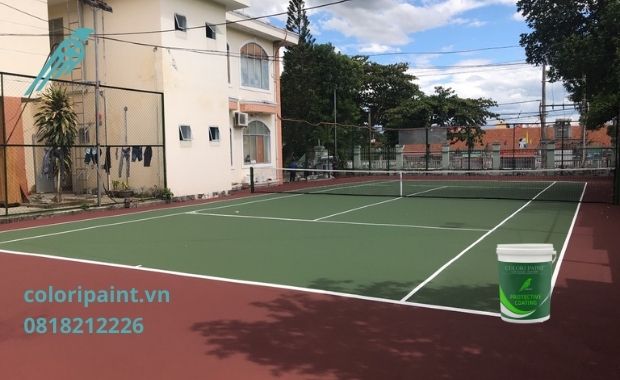
Conduct Final Inspection Before Handover
Conducting the final inspection is the crucial last step in the tennis court construction process. This is the final stage to check and ensure that the project has been completed fully and meets the required quality standards before handing it over to the client.
Preparing for the Inspection
Before conducting the final inspection, it's essential to prepare all relevant project documentation, including technical drawings, design specifications, and any other related documents.
Comprehensive Examination
Conduct a comprehensive examination of all aspects of the project, including the functionality of the tennis court, safety considerations, and compliance with technical standards.
Quality Assessment
Evaluate the quality of the completed work, ensuring that all tasks have been carried out according to the plan and meet the required quality standards.
Inspect Equipment and Facilities
Inspect the condition and operation of equipment and facilities within the tennis court, ensuring that they function correctly and meet all requirements.
Recording and Addressing Issues
If any issues or defects are identified during the inspection, record them and address them promptly to ensure that the project is completed correctly before handover.
Handover of the Tennis Court Construction Project
After conducting the final inspection and ensuring that all requirements have been met, the project will be handed over to the client. This marks the official completion of the project, and the client will have the opportunity to review and assess it before acceptance.
WATERPROOFING AND MAINTENANCE OF TENNIS COURTS
THE IMPORTANCE OF WATERPROOFING IN TENNIS COURT CONSTRUCTION
Waterproofing helps shield the tennis court from the intrusion of water and moisture from its surrounding environment. Water and moisture can lead to severe issues like leaks, mold growth, and material damage. Waterproofing ensures that the tennis court remains dry and sustainable over time.
- User safety: Tennis courts often endure various environmental elements like rain, sun, and wind. Without proper waterproofing, water can penetrate the layers of materials, resulting in a slippery court surface and an increased risk of users slipping and accidents.
- Increasing the longevity of the tennis court: Waterproofing contributes to extending the lifespan of a tennis court by preventing water infiltration and damage from other harmful environmental factors. Protecting the court from moisture and damage helps it maintain its quality and sustainability over an extended period.
- Cost savings on repairs: Effective waterproofing from the outset helps avoid issues related to water and moisture in the future. This minimizes repair and maintenance costs, saving both time and effort.
- Preserving the project's value: Tennis courts are designed and constructed to serve a purpose and deliver value. Waterproofing helps maintain the project's value by ensuring that the tennis court remains in good condition and meets the users' requirements.
HOW TO PERFORM WATERPROOFING FOR TENNIS COURTS
Waterproofing a tennis court involves the following steps:
Step 1: Surface Preparation
Before waterproofing the tennis court, the surface must be thoroughly prepared. Eliminate any cracks, holes, or uneven surfaces. Use appropriate tools to clean the surface and ensure it is completely dry.
Step 2: Choose the Right Waterproofing Material
Selecting the appropriate waterproofing material for the tennis court is the next crucial step. There are various types of waterproofing materials available, such as waterproof paint, waterproof membranes, or rigid waterproofing compounds. Choose the type that suits the environmental conditions and project requirements.
Step 3: Apply Waterproofing
Apply the waterproofing material using the right tools to coat the surface of the court. Ensure that the waterproofing material is evenly spread and reaches the required thickness for effective waterproofing.
Step 4: Address Vulnerable Points
At locations with a high risk of water infiltration, such as intersections between different surfaces, use additional waterproofing materials like waterproof tape or an extra layer of waterproof membrane to ensure strong waterproofing capabilities.
Step 5: Thorough Inspection
After waterproofing, conduct a thorough inspection of the entire court surface to ensure there are no remaining cracks or openings that could lead to water infiltration. Test the waterproofing quality by performing a water penetration test and ensure there are no areas prone to leakage.
Step 6: Maintenance and Repairs
Once waterproofing is complete, regular maintenance and checks of the tennis court's waterproofing status are necessary. If any cracks or openings are discovered over time, immediate repairs should be carried out to maintain the effectiveness of the waterproofing layer.
Ensure Regular Maintenance To Maintain Quality
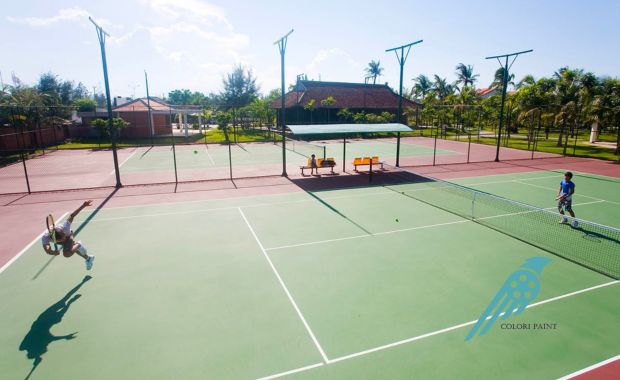
Ensure Regular Maintenance To Maintain Quality
Regular maintenance plays a crucial role in maintaining the quality and sustainability of a tennis court. Maintaining a tennis court through regular upkeep helps prevent the appearance of cracks, holes, or other damages that could affect its aesthetics and quality.
Benefits Of Regular Maintenance
- Preserving Longevity: Regular maintenance helps preserve the longevity of a tennis court over time. Periodic inspections and timely repairs of minor cracks or other minor issues prevent them from becoming more significant problems that could impact the court's durability.
- Ensuring Safety for Players: Regular maintenance ensures the safety of players. Cracks, holes, or uneven surfaces can pose hazards and lead to the risk of falls or injuries for tennis court users.
- Maintaining Court Quality: Regular maintenance keeps the tennis court looking attractive and of high quality. Keeping the surface clean and conducting routine inspections ensures that the court remains in its best condition and meets quality standards.
How to Perform Regular Maintenance for a Tennis Court
- Regular Inspections: Conduct frequent inspections of the court's surface to detect cracks, holes, or other issues. Inspecting before and after each playing season is a good practice to ensure the court remains in its best condition.
- Regular Cleaning: The court should be regularly cleaned to remove dust, leaves, and other agents that could affect the surface. Regular cleaning helps maintain the court's aesthetics and cleanliness.
- Timely Repairs: If any cracks or issues are detected, make repairs promptly to prevent the problem from becoming more severe. Timely repairs help maintain the court's durability and safety.
PRICE LIST AND FLEXIBILITY
Factors Affecting The Cost Of Tennis Court Construction
Size and tennis court specifications: The size and specifications of a tennis court are the initial determining factors affecting construction costs. Larger courts, complex surface requirements, or specific design features will necessitate more intricate work, ranging from surface preparation to the installation of waterproofing systems and finishing.
Material and equipment type: The choice of materials and equipment also significantly influences construction costs. Premium materials and modern equipment often come at higher costs but can ensure durability and quality for the tennis court.
Terrain and surrounding environment: The terrain and the environment surrounding the tennis court also impact construction costs. Courts located on flat terrain with easy access typically have lower construction costs compared to those situated on challenging terrain or in harsh environments.
Technical elements: Technical elements such as drainage systems, lighting systems, waterproofing layers, and protective coatings play a vital role in the construction process. These elements can affect the complexity and duration of construction, thereby influencing costs.
Labor and construction duration: Labor and the time required for construction contribute to the overall construction cost. Tennis courts require a skilled and experienced workforce, which can impact labor costs.
Additional requirements: Supplementary requirements such as construction permits, material and equipment transportation, and other related tasks can also influence construction costs. Preparing and fulfilling these requirements may involve additional expenses and time.
Flexibility In Material And Technology Selection
Diverse Material Selection
Flexibility in material selection is a crucial factor in ensuring that a tennis court meets the strict requirements of players. There are various materials available, such as natural grass, artificial turf, clay courts, or hard courts, each with its own advantages. Choosing the appropriate material helps create a high-quality tennis court that can cater to diverse needs.
Technological Diversity
Technology is continually advancing, and the diversity in applying technology to tennis court construction offers many benefits. Utilizing modern technology in the installation of drainage systems, lighting, and waterproofing can enhance sustainability and performance.
Product Flexibility
Numerous flexible products and solutions are available for tennis court construction. For example, using flexible waterproofing layers that can resist cracking and expansion helps ensure the court's quality in various weather conditions.
Advantages of Flexibility
Flexibility in material and technology choices offers several advantages. Firstly, it allows you to customize the tennis court according to your preferences and meet the diverse needs of players. Secondly, flexibility enhances sustainability and durability, ensuring that the court remains functional and unaffected by weather or user impact over the long term.
Making the Right Choice
To ensure flexibility in material and technology choices for a tennis court, it's essential to have a good understanding of the various materials and technologies available in the market. Seeking advice from experts and reputable suppliers is a wise way to make informed decisions.
WORKPLACE SAFETY AND ENVIRONMENTAL PROTECTION IN TENNIS COURT CONSTRUCTION

WORKPLACE SAFETY AND ENVIRONMENTAL PROTECTION IN TENNIS COURT CONSTRUCTION
Implementing Safety Measures For Workers And The Environment
Safety Measures For Workers During Construction
Prioritizing the safety of workers is a top concern during tennis court construction. It's essential to ensure that all workers are equipped with the necessary personal protective equipment, including helmets, sun-protective clothing, gloves, safety shoes, and safety glasses. Workers should also receive training on safety protocols for working at heights, operating machinery and tools, and handling emergency situations.
Environmental Protection Measures During Tennis Court Construction
To ensure environmental protection during tennis court construction, it's essential to implement appropriate measures, including:
- Use of Environmentally Friendly Materials: Choose materials and products that are environmentally friendly, avoiding the use of harmful substances that can pollute the environment.
- Noise and Emission Control: Implement measures to control noise pollution and emissions from machinery and equipment in operation during construction.
- Waste Management: Properly manage and dispose of production waste in accordance with environmental regulations. This includes recycling materials whenever possible and ensuring safe disposal methods for hazardous waste.
- Regular Cleaning and Maintenance: Perform regular cleaning and maintenance activities to prevent environmental pollution in the surrounding area. This includes maintaining equipment to prevent oil or fuel leaks, and promptly addressing any spills or leaks that may occur.
The Importance of Safety and Environmental Protection Measures
Properly implementing safety measures for workers and protecting the environment is crucial not only for ensuring human lives and health but also for preserving a healthy living environment. Adhering to safety and environmental protection guidelines also helps establish a reputable image for the project and the executing company.
COMPLYING WITH LABOR SAFETY REGULATIONS IN THE PROJECT
Understanding occupational safety regulations: Understanding and complying with occupational safety regulations is a critical factor in ensuring safety and sustainability during the construction of a tennis court. All project participants must have a clear understanding of and adhere to occupational safety regulations, from establishment to management and execution.
Provision of personal protective equipment: To ensure occupational safety, all workers involved in the project must be equipped with complete personal protective equipment, such as helmets, sun-protective clothing, gloves, safety shoes, and safety glasses. Personal protective equipment helps safeguard the health and lives of workers from potential risks during work.
Safe use of tools and machinery: Using safe tools and machinery is essential for occupational safety. Tools should be regularly inspected, maintained, and repaired as needed. Machinery should be used correctly and in accordance with the manufacturer's guidelines to prevent accidents and unforeseen incidents.
Safety training and guidance: Safety training and guidance are important ways to enhance safety awareness and skills for everyone involved in the project. Workers should be trained on how to use personal protective equipment, work safely at heights, and respond to hazardous situations.
Risk assessment and evaluation: Conducting safety risk assessments is a way to identify and address potential hazards that may arise during the construction of the tennis court. Measures to prevent and respond to risks should be identified and implemented to ensure the safety of all project participants.
CLASSIFYING TENNIS COURTS ACCORDING TO NEEDS
Tennis Courts For Family And Residential Areas

Tennis Courts For Family And Residential Areas
Family tennis court - sharing the joy of sports:
A family tennis court is not just a place for improving health; it's also a venue for expressing family love and bonding. Families can participate in exciting matches together, create memorable moments, and cherish precious time spent with each other.
Community tennis court - exploring a shared passion:
Constructing tennis courts within residential communities not only provides a space for sports but also ignites a communal spirit for athleticism. Residents have the opportunity to explore their shared passion for tennis, participate in tournaments, and engage in sports activities, fostering a sense of unity and excitement in their daily lives.
Benefits of family and community tennis courts:
- Health and fitness: Families and residents have the opportunity to pursue their passion for sports, improve their health, and enhance their physical fitness through regular tennis play.
- Family Bonding: Tennis courts provide an exciting space for families to enjoy quality time together, build loving relationships, and strengthen their bonds.
- Community unity: Community tennis courts foster social interaction, connection, and unity within the neighborhood, promoting the organization of communal sports activities.
- Exploring passions: Constructing tennis courts offers residents a chance to explore their passion for tennis, participate in classes and tournaments, and discover new joy and enthusiasm.
Tennis Courts For Educational And Sports Facilities
Tennis in education - promoting sports and health:
Constructing tennis courts at educational institutions encourages students to engage in sports activities and promote their health. Tennis not only brings joy and enthusiasm for physical activity but also contributes to physical development, team spirit, and discipline for students.
Tennis courts for sports centers - enhancing tennis skills:
Sports centers often build tennis courts to provide a platform for training and developing tennis skills. Learners at these centers have the opportunity to learn from experienced coaches and improve their tennis-playing abilities.
Benefits of tennis in education and sports:
- Promoting sports: Tennis courts create opportunities for students to participate in sports activities, improving their health and fostering physical and mental development.
- Skill development: Sports centers provide an ideal environment for enhancing tennis skills, from basic to advanced levels.
- Creating competitive opportunities: Tennis in education and sports offers students and learners the chance to participate in tournaments and competitions, honing their competitive spirit and skills.
Tennis Courts For Clubs And Tournaments
Tennis Courts For Clubs And Tournaments
Tennis courts for clubs - a hub for sports enthusiasts:
Tennis courts provide an exciting space for sports clubs. Tennis clubs not only bring joy and enthusiasm for playing tennis but also create opportunities for interaction, learning, and connection among individuals who share a passion for this sport.
Tennis courts for tournaments - where competition leaves a mark:
Constructing tennis courts for tournaments provides opportunities for athletes to showcase their abilities and compete. Tennis tournaments not only help identify talent but also leave behind memorable moments in the sporting careers of participants.
Benefits of club and tournament tennis courts:
- Sports camaraderie: Club tennis courts serve as a meeting place for sports enthusiasts to connect, socialize, and share their passion for sports.
- Skill enhancement: Tennis tournaments are an opportunity to challenge and improve competitive abilities, fostering a spirit of competition.
- Creating memories: Tennis tournaments are where memorable moments are created, showcasing the excitement and achievements in the sporting journey.
DIMENSIONS AND CONSTRUCTION REGULATIONS FOR TENNIS COURTS
DIMENSIONS AND CONSTRUCTION REGULATIONS FOR TENNIS COURTS
Standard Dimensions And Structure Of Tennis Courts
Standard tennis court dimensions:
Tennis courts have standard dimensions defined by the International Tennis Federation (ITF). The exact dimensions for a men's and women's singles tennis court are 23.77 meters in length and 8.23 meters in width for each singles court. For men's and women's doubles courts, the dimensions are 23.77 meters in length and 10.97 meters in width.
Structural features of a tennis court:
- Playing Surface: Tennis court surfaces are typically made of concrete or asphalt, with a smooth and even playing surface. The court surface must ensure good grip, responsiveness, and bounce to provide the best playing conditions for participants.
- Net and Net Posts: The tennis net is hung horizontally across the court, measuring 0.914 meters high at the sides and 1.07 meters high at the center. Net posts must be sturdy and stable to keep the net taut and in proper alignment.
- Service Boxes: The service boxes are located in the center of the court and are divided into two sections by a horizontal line. The server must stand within this area to execute the serve.
Advantages of standard dimensions and structure:
- Optimal Playing Experience: Standard dimensions and structure contribute to the optimal tennis playing experience. Every serve, volley, and movement can be executed accurately and conveniently.
- Fair Competition: Standard dimensions ensure fairness in every match, with no undue advantage for any player.
- Skill Development: With standardized court sizes, players have the opportunity to develop and refine their skills effectively.
International Tennis Federation (Itf) And Regulations On Court Design
ITF and the importance of tennis court design regulations:
The International Tennis Federation (ITF) is the governing body for the sport of tennis worldwide. ITF plays a crucial role in establishing and maintaining regulations for tennis court design to ensure fairness, quality, and safety for players.
ITF's tennis court design regulations:
- Standard Dimensions: ITF sets standard court dimensions to ensure fairness in matches and provide the best playing experience for participants.
- Court Surface: ITF provides guidelines for the type and material of tennis court surfaces to ensure good ball response and grip, as well as safety for players.
- Net and Service Area: ITF establishes regulations regarding net height, net posts, and the service area to ensure consistency across tennis courts.
Advantages of itf's tennis court design regulations:
- Fairness: ITF's court design regulations help ensure fairness in every match, with no undue advantage for any player.
- Optimal Playing Experience: Thanks to standardized court dimensions, players have the best tennis playing experience on courts that meet quality and safety standards.
- Player Safety: ITF's court design regulations contribute to player safety by setting requirements for court surfaces and court structure.
PRICE QUOTATION AND NOTES IN TENNIS COURT CONSTRUCTION
Pricing In Tennis Court Construction
The cost of constructing a tennis court can vary depending on its intended use. Here are some price ranges for reference:
- Family Tennis Court with dimensions 33.53m x 16.46m: Estimated to cost between 470,000,000 VND to 540,000,000 VND. This type of court is suitable for casual entertainment and skill development.
- Resort Tennis Court with standard dimensions 34.75m x 17.07m: Approximately 600,000,000 VND to 670,000,000 VND. This is a good choice for resorts aiming to serve their customers.
- Professional Tournament Tennis Court, adhering to ITF standards for dimensions (36.57m x 18.29m): Estimated to cost from 560,000,000 VND to 620,000,000 VND. This is a suitable choice for professional sports events.
Notes On Tennis Court Construction
- Select Quality Materials: Ensure the selection of high-quality construction materials to guarantee durability and safety for the tennis court. Materials should meet technical standards and undergo quality testing before use.
- Project Management: Monitor and manage the construction schedule closely to ensure the project is completed on time and without unnecessary obstacles.
- Labor Safety and Environmental Protection: Adhering to labor safety and environmental protection regulations is crucial in tennis court construction. Ensure that the workforce is equipped with proper safety gear and implement safety measures.
PRESTIGIOUS AND QUALITY TENNIS COURT CONSTRUCTION UNIT
To create an outstanding tennis court that meets quality standards, you need to seek out reputable construction partners in the market. With years of experience and a team of professional technicians, Chi Hao Company is confident in providing you with not only an excellent tennis court but also one that ensures sustainability, all at the most reasonable price.
We specialize not only in tennis courts but also extend our services to construct other sports courts such as volleyball, basketball, and badminton courts. Our commitment to customer satisfaction is evidenced by our satisfied clients.
Please don't hesitate to contact us if you have the need to build a standard, high-quality tennis court at an affordable price. We are always ready to provide dedicated advice and support to our customers.
Above is a guide to the process of constructing a quality, durable, and effective tennis court. We believe that this article has provided valuable information to our readers.
Contact information:
CHI HAO TRADING AND SERVICES CO., LTD
- Head Office - Ho Chi Minh City:
- Address: 606/76/4, National Highway 13, Ward Hiep Binh Phuoc, Thu Duc District, Ho Chi Minh City, Vietnam.
- Branch Office - Can Tho:
- Address: 388Z7 Zone 2, Area 2, An Khanh Ward, Ninh Kieu District, Can Tho City, Vietnam.
- Cambodia Office:
- Address: No 86E0 Street 139, Sangkat Vealvong, Khan 7 Makara, Phnom Penh, Cambodia.
- Phone: Ho Chi Minh City Office: +84 28 626 757 76
- Fax: +84 28 626 757 28
- Hotline: +84 818 21 22 26
- Cambodia Hotlines:
- +855 12868178
- +855 70868178
- Email: [email protected]


