Main content

In the fast-paced life of modern cities, road marking construction is not merely about painting lines on road surfaces. It's a complex process with significant importance in building and maintaining traffic infrastructure.
Through the use of vibrant colors, road paint application serves not only to delineate urban spaces but also contributes to the safe and efficient management of traffic. In this article, Colori Paint will reveal the road paint application process, its significance, and how it fosters a sense of cohesion within urban communities.
Introduction to Road Marking Construction

Traffic Painting Construction
Definition and Importance of Road Markings
Definition of road markings
Road markings, also known as lane markings or road striping, are colorful strips and symbols directly applied to road surfaces to guide, manage, and provide information to road users. Under the control of professional road marking contractors, road markings become an essential part of urban traffic infrastructure. Their presence helps create a safe, efficient, and orderly traffic environment, contributing to the development and progress of society.
The Importance of Road Markings
Accurate Traffic Guidance
Road markings play a vital role in guiding vehicles and road users in the right direction and ensuring adherence to traffic rules. The painted lines, geometric symbols, and specific signs on the road surface help drivers, pedestrians, and other vehicles understand the lanes, parking locations, hazard points, and specific directions.
Enhanced Traffic Safety
Road markings are an essential tool for enhancing traffic safety. Reflective road markings, especially in the dark or adverse weather conditions, help drivers see more clearly and reflect the light from vehicle headlights. This is extremely important in reducing accident risks and ensuring better visibility in challenging traffic environments.
Traffic Flow Segmentation
Road markings help segregate and organize traffic flow clearly. By clearly defining lanes for cars, motorcycles, buses, and pedestrians, road markings facilitate the classification and safe movement of different types of vehicles.
Traffic Flow Management
An integral part of urban traffic management is using road markings to designate parking areas, waiting zones, and other critical locations on the road. This helps maintain traffic order, prevent congestion, and create effective connectivity within the traffic flow.
Urban Aesthetics
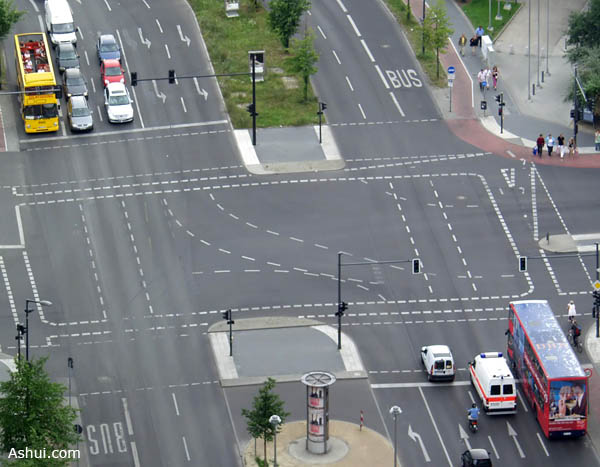
Urban Aesthetics
Beyond their guidance function, road markings also serve an aesthetic purpose in urban environments. Creatively designed road stripes and symbols, along with color coordination, contribute to an impressive and unique urban space.
In the broader context, road markings are not merely colors on the road's surface but rather a crucial interaction between humans and transportation infrastructure. The presence of road markings contributes to ensuring safety, traffic flow, and aesthetics within our urban spaces.
Role in Enhancing Traffic Safety and Flow Management
Road markings not only serve as guidance and adornment on the road surface but also play a significantly vital role in enhancing traffic safety and urban traffic management. Here are some ways in which road markings contribute to ensuring safety and efficiency in road transportation:
Improved Vision and Traffic Awareness
Road markings help establish a clear guidance system on the road surface, enabling drivers, pedestrians, and other road users to understand traffic rules and road regulations better. Stripes, symbols, and signs are applied intelligently to indicate lanes, directions, parking spots, and danger points. This helps all road participants easily recognize, obey, and maintain safety and order on the road.
Reflectivity and Nighttime Recognition
In low-light conditions and at night when natural visibility is limited, road markings play a critical role. Reflective road markings efficiently reflect light from vehicle headlights, making lane boundaries and separation more apparent. This significantly enhances nighttime driving safety and reduces the risk of accidents.
Traffic Segmentation and Accident Reduction
Road markings are instrumental in segregating and managing traffic flow. By delineating lanes, pathways, and stopping areas, road markings minimize conflicts between different types of vehicles and provide favorable conditions for safe traffic movement.
Efficient Traffic Flow Management
Road markings are an indispensable part of urban traffic flow management. They help designate parking spaces, waiting zones, and restricted areas, contributing to the maintenance of order on the road, the prevention of traffic jams, and the creation of favorable conditions for smooth transportation.
Creating a Safe, Efficient Traffic Environment
In summary, road markings are crucial in building a traffic environment that is safe, efficient, and well-organized. They provide the clarity, information, and guidance needed for all road users to move safely and smoothly. Road markings are not just part of the urban landscape; they are also an essential element in contributing to the sustainable development of society.
What is Thermal Plastic Paint?
Definition of Thermal Plastic Road Marking Paint

Thermal Insulation Paint
Thermal plastic road marking paint, also known as thermoplastic road paint, is a specialized type of paint used for creating road markings and symbols on road surfaces. Unlike regular paint, thermal plastic road marking paint is manufactured from high molecular weight compounds that can adapt to changes in environmental temperatures. This characteristic enables the paint to withstand heat and expansion while producing durable road markings with a longer lifespan, especially in harsh weather conditions.
Advantages and Disadvantages of Thermal Plastic Road Marking Paint
Thermal reflective road marking paint is an advanced technology for painting road markings and symbols on road surfaces. However, like any other technology, thermal reflective road marking paint also has its own advantages and disadvantages. Here is an overview of thermal reflective road marking paint.
The advantages of thermal reflective road marking paint
Advantages:
- Heat Resistance and Excellent Flexibility: The standout advantage of thermal plastic road marking paint is its ability to withstand heat and expand and contract effectively. This prevents markings from peeling or cracking due to temperature fluctuations, increasing their longevity and reducing the need for frequent repainting and maintenance.
- High Reflectivity: Thermal plastic road marking paint often possesses high reflectivity, meaning it can reflect light from vehicle headlights effectively. This enhances visibility, especially in low-light conditions, contributing to road safety.
- Longevity and Durability: Due to its heat resistance and flexibility, thermal plastic road marking paint generally has a longer lifespan and better durability compared to regular road paint. This translates to reduced maintenance and repainting requirements.
Disadvantages:
- Higher Cost: One of the primary drawbacks of thermal plastic road marking paint is its higher cost compared to standard road paint. The use of specialized materials and technology to provide heat resistance and flexibility makes it a more expensive option in terms of purchase and application.
- Technical Expertise Required: Applying thermal plastic road marking paint demands professional expertise and experience. The process of working with this specialized paint and material necessitates precision to ensure the quality and performance of the road markings.
- Limited Water Permeability: Some types of thermal plastic road marking paint may have limited water permeability compared to regular road paint. This can potentially lead to water pooling on the road surface during rainy conditions, reducing reflectivity and safety.
Comparison with Other Types of Road Marking Paint
Comparing thermal reflective road marking paint to other types of road marking paints is crucial when choosing the appropriate paint for a project. Below are some points of comparison between thermal reflective road marking paint and other types of road marking paints:
Heat Resistance and Flexibility:
- Thermal Plastic Road Marking Paint: Offers excellent heat resistance and flexibility, making it suitable for areas with significant temperature variations.
- Other Types of Road Marking Paint: Regular Road marking paints may not exhibit the same level of heat resistance and flexibility, potentially leading to premature wear and tear.
Reflectivity

Reflectivity
- Thermal Plastic Road Marking Paint: Often features high reflectivity, enhancing visibility in low-light conditions.
- Other Types of Road Marking Paint: Some regular road marking paints may have lower reflectivity, potentially reducing visibility, especially at night.
Longevity and Durability:
- Thermal Plastic Road Marking Paint: Tends to have a longer lifespan and better durability, reducing the frequency of maintenance and repainting.
- Other Types of Road Marking Paint: Regular Road marking paints may require more frequent maintenance and repainting due to lower durability.
Cost and Technology:
- Thermal Plastic Road Marking Paint: Generally, comes at a higher cost due to the specialized materials and technology used.
- Other Types of Road Marking Paint: Regular Road marking paints are usually more cost-effective but may require more frequent maintenance.
Suitability for Conditions:
- Thermal Plastic Road Marking Paint: Well-suited for regions with significant temperature fluctuations and tropical climates.
- Other Types of Road Marking Paint: Better suited for areas with more stable weather conditions.
In summary, thermal plastic road marking paint offers distinct advantages in terms of heat resistance, longevity, and reflectivity but comes at a higher cost and requires specialized application expertise. The choice between thermal plastic and other road marking paints depends on specific project requirements and environmental factors.
Ingredients and Preparation of Thermoplastic Road Marking Paint

Ingredients and Preparation of Thermoplastic Road Marking Paint
Components and Preparation of Thermoplastic Paint
Thermoplastic road marking paint is a specialized type of paint used for creating road markings and symbols on road surfaces. To produce high-quality thermoplastic paint, the process of preparation and the combination of essential components are crucial. Here is information about the components and preparation process of thermoplastic paint:
Key Components
- Thermoplastic Resin: Thermoplastic resin is the primary component of thermoplastic paint. This type of resin is typically made from polymer compounds that exhibit excellent flexibility under varying environmental temperatures. Thermoplastic resin contributes to the flexibility and heat resistance of road markings.
- Reflective Beads: Reflective beads are a crucial component for reflecting light from vehicle headlights. They are often made from materials with excellent reflective properties. Reflective beads enhance the reflective capability of road markings, improving visibility and safety in low-light conditions.
- Color Pigments: Color pigments are used to provide color to thermoplastic paint. This helps create contrast and easy differentiation between road markings and the road surface. Pigments are typically chosen for their resistance to fading in harsh weather conditions.
Preparation of Thermoplastic Paint
The preparation process for thermoplastic paint typically follows these steps:
- Material and Equipment Preparation: Prepare the necessary components, including thermoplastic resin, reflective beads, color pigments, and any required additives. Ensure that these components have been inspected and are ready for use.
- Mixing of Components: Mix the thermoplastic resin with reflective beads and color pigments in the appropriate ratios. The mixing process should ensure that the components are thoroughly and uniformly blended.
- Testing and Adjustments: After mixing, conduct tests on the thermoplastic paint to ensure its quality and aesthetic properties. If necessary, adjust the component ratios to achieve the desired color and characteristics.
- Storage and Use: Store the thermoplastic paint in dry, cool conditions, and protect it from direct sunlight. When using the paint, follow the application instructions, and seal the packaging properly after use.
Reflective Beads: Enhancing Nighttime Visibility and Safety
Reflective beads play a significant role in various applications, especially in traffic and safety. Widely used in road markings, signs, and safety equipment, reflective beads contribute to improved nighttime visibility and safety.
Reflective Capability: Reflective beads are designed to reflect light from external sources, such as vehicle headlights. When light shines on reflective beads, they reflect strongly, creating a noticeable bright effect in the dark. This enhances the visibility of road markings, signs, and other safety features.
Safety Integration: Reflective beads are crucial in creating contrasting points on road surfaces and various traffic structures. In low-light conditions, these reflective points help establish clear distinctions between road markings and the road surface, making details more apparent and easily discernible.
The Importance of Using High-Quality Materials
In the process of road marking and related projects, the use of high-quality materials plays a crucial role in ensuring the quality, durability, and safety of the end product. Here is the significance of using high-quality materials in this industry:
Product Quality: Using high-quality materials ensures the high quality of road marking products. Carefully selected, quality materials adhere to strict quality standards, guaranteeing that the final product will have vibrant colors, excellent reflective properties, and high durability, thereby creating high-quality and safe road markings.
Durability and Longevity: High-quality materials are capable of meeting the durability and longevity requirements of the product. On road surfaces, road markings must withstand the effects of weather, vehicular traffic, and other factors. Using high-quality materials enhances resistance to wear and tear, prevents cracking, and maintains the durability of road markings over an extended period.
Traffic Safety: The use of high-quality materials significantly impacts traffic safety. Road markings created with high-quality paint exhibit excellent reflective properties, improving visibility and safety for drivers and pedestrians, especially in low-light conditions and at night.
Economic Efficiency: Although high-quality materials may initially have higher costs, over time, their use can lead to economic efficiency. The increased durability and longevity of high-quality road markings reduce the frequency of maintenance and repainting, resulting in cost and time savings.
Environmental Protection: The use of high-quality materials often involves more energy-efficient and resource-efficient production processes, reducing environmental impact. High-quality products are also more sustainable, reducing waste and resource requirements for maintenance.
In summary, the selection of high-quality materials is crucial for achieving safety, longevity, cost-effectiveness, and environmental responsibility in road marking and related industries.
Construction Process of Thermoplastic Reflective Traffic Line Marking Quality
Safety Measures and Traffic Control during Construction
Ensuring safety and traffic control is extremely important during the construction of road line markings and related tasks. Effective safety measures and strategies help protect both the workers involved in the construction and the traffic participants on the road.
Safety Measures
Ensuring Safety Equipment

Ensuring Safety Equipment
Before commencing work, ensure that all safety equipment such as helmets, reflective vests, and gloves are provided and used correctly by all participating employees.
Safety Training Implementation
All individuals involved in the work must be trained in safety rules and emergency procedures. This helps to create awareness and understanding of hazardous situations, thereby reducing the risk of accidents.
Continuous Supervision
There should be a team of safety supervisors monitoring the construction process regularly to ensure that all safety measures are being implemented correctly, and safety risks are being controlled.
Traffic Control
Establishing a Safe Construction Zone
Inside the construction area, set up warning signs and barriers to inform road users about the construction site's status. This helps restrict unauthorized access to hazardous areas.
Traffic Guidance
There are traffic guides at critical points to ensure the safe movement of vehicles through the construction area. They must have knowledge of traffic symbols and signals.
Traffic Flow Regulation
Use road signs and traffic control measures to regulate traffic flow around the construction area. This helps reduce the risk of collisions and creates a safe environment for both traffic participants and workers.
Surface Preparation for Optimal Adhesion
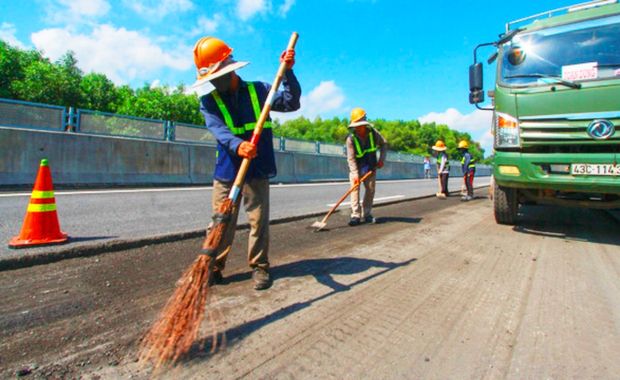
Surface Preparation for Optimal Adhesion
Surface preparation is a crucial step in the road line marking construction process. Ensuring the surface is cleaned and prepared properly can result in the best adhesion for the line marking paint, enhancing traffic flow and road line durability. Here are the important steps for effective surface preparation:
Step 1: Clean the Surface
Firstly, the surface must be thoroughly cleaned of dust, sand, and oil. Use suitable tools like pressure washers or brushes to remove impurities from the surface. This helps the paint adhere better and prevents it from adhering to residues that could affect the quality of the road line.
Step 2: Remove Old Paint
If there is old, peeling, or damaged paint on the surface, it should be removed or lightly sanded to create a smooth and uniform surface. This helps prevent the new paint from adhering to the old paint, which may not be secure.
Step 3: Surface Repairs
Inspect the surface for holes, cracks, or damage. Use suitable repair materials to fill and smooth out any cracks or holes before painting. This helps create a smooth and uniform surface, ensuring better adhesion of the paint.
Step 4: Surface Reinforcement
For concrete surfaces that may be weak or damaged, reinforcement is necessary by applying a protective coating or using other methods to ensure the surface can withstand the load and traffic.
Step 5: Remove Oil and Grease
Use a special cleaning agent to remove oil and grease from the surface. This is particularly important to create favorable conditions for the paint to adhere.
Step 6: Allow Complete Drying
After cleaning and surface preparation, the surface must be allowed to dry completely before painting. This ensures that there is no residual moisture or oil that could affect the painting process and paint adhesion.
Ensuring Uniform Thickness and Reflective Quality
Ensuring uniform thickness and reflective quality of the road line marking paint is an important factor in creating a safe and visible line. The road line marking process requires special attention to ensure that the paint is applied correctly and with quality. Here are the important factors in ensuring uniform thickness and reflective quality:
Choosing the Right Paint
Choosing the appropriate type of paint is crucial to ensure uniform thickness and high reflective quality. Road line marking paint must have good reflective properties and high adhesion. Selecting paint from reputable and quality-certified suppliers will ensure that the road line marking paint meets the requirements.
Proper Surface Preparation
Before applying road line marking paint, the surface must be cleaned and prepared correctly. The surface should be smooth, free of cracks, holes, or impurities. This ensures that the paint is applied evenly and adheres well.
Using Professional Painting Equipmentp

Using Professional Painting Equipment
Using professional painting equipment such as paint sprayers can ensure uniform thickness and reflective quality. Accurate painting equipment helps adjust the amount of paint sprayed, creating a thin and uniform layer on the surface.
Controlling Paint Thickness
To ensure uniform paint thickness, thickness measurement tools should be used during the painting process to ensure that the paint reaches the desired thickness consistently across the entire surface.
Ensuring Paint Clarity
The road line marking paint must achieve optimal reflective clarity to create a good reflective effect. This is particularly important in low-light conditions and at night.
Technical Inspection
After completing the painting process, a technical inspection should be conducted to ensure that the paint meets the desired reflective quality standards and has no cracks, holes, or other defects.
Effective Techniques and Long-Term Durability in Road Line Marking Construction
In road line marking construction, applying effective techniques and ensuring long-term durability for the paint is important to create high-quality, safe, and sustainable road markings. Here are the important techniques to achieve effectiveness and long-term durability in road line marking construction:
Using High-Quality Paint
Choosing high-quality paint with good adhesion, excellent reflective properties, and resistance to wear is essential. High-quality paint ensures the long-term durability of road line markings under the influence of weather and traffic.
Using Professional Equipment
Professional painting equipment like paint sprayers helps ensure consistent and precise application of paint on the road surface. This provides higher efficiency and long-term durability of the paint.
Adhering to Technical Standards
Applying technical standards for road line marking construction, such as thickness, spacing between lines, and reflective opacity, ensures that the paint meets requirements for effectiveness and durability.
Proper Surface Preparation
Proper surface preparation before painting is crucial to ensure the long-term durability of the paint. The surface must be cleaned, impurity-free, and repaired before painting.
Ideal Weather Conditions
Weather conditions affect the effectiveness and durability of the paint. Selecting the right time for construction when the weather is ideal ensures that the paint can dry and bond well to the road surface.
Technical Inspection After Construction
After completing road line marking construction, a technical inspection should be carried out to ensure that the paint meets technical standards for reflective quality and has the expected long-term durability.
Current Road Marking Paint Products on the Market
Overview of Current Road Marking Paint Products
In the current market, there is a wide range of road marking paint products with various features and applications. These products are developed to meet different requirements regarding durability, reflectivity, and resistance to wear and tear. Here's an overview of some of the road marking paint products currently available:
Water-Based Road Marking Paint
Water-based Road marking paint is typically made from environmentally friendly and water-soluble components. It is a popular choice due to its safety and ease of application. Water-based paint dries quickly and creates clear road markings while also offering good reflectivity.
Reflective Road Marking Paint
Reflective road marking paint contains reflective beads that make the paint luminous under low light conditions. This enhances visibility at night and improves traffic safety in low-light situations.
Thermochromic Road Marking Paint
Thermochromic road marking paint changes color based on the environmental temperature. This can provide a warning message to road users about slippery or icy road conditions, enhancing safety.
Thermoplastic Road Marking Paint
Thermoplastic road marking paint has the ability to expand and contract with temperature changes, helping to prevent cracking due to temperature variations. This is suitable for regions with fluctuating climates and large temperature variations.
Premium Road Marking Paint
Premium road marking paint products often utilize advanced technologies to ensure durability and high reflectivity. They are commonly used for important projects that require long-lasting and highly effective road markings.
Other Types of Road Marking Paint
In addition to the mentioned types, there are various other types of road marking paint, including epoxy-based paint, anti-skid paint, anti-wear paint, and chemical-resistant paint.
Considering Environmental Factors and Choosing Sustainable Options
When selecting road marking paint products, considering environmental factors and choosing sustainable options is crucial. This helps protect the environment, ensures safety for road users, and creates long-lasting, sustainable road markings. Here are some environmental factors to consider and sustainable options for road marking paint:
Environmental Friendliness
Choosing road marking paint that is environmentally friendly is important. Water-based paint and products that do not contain harmful chemicals are often environmentally friendly options, helping to minimize negative impacts on ecosystems.
Reusability
Selecting road marking paint products with reusability or recyclability features is a sustainable option. Paint that can be reused or recycled reduces waste and conserves resources needed for producing new paint.
Long-Term Durability
Long-lasting road marking paint contributes to reducing the frequency of repainting road markings. Choosing products with anti-wear capabilities and the ability to maintain reflectivity over time is essential for sustainability.
Energy Efficiency
Road marking paint with good reflectivity can help save energy by improving visibility in low-light conditions. This can reduce the risk of accidents and create safer conditions on the road.
Sustainability Over Time
Consider the long-term sustainability of road marking paint under the influence of weather, traffic, and other factors. Choosing products that can maintain their effectiveness and quality over time helps save resources and materials.
Compatibility with Local Conditions
Consider the compatibility of road marking paint products with local conditions such as climate, road types, and traffic volume. Choosing products that are suitable for local conditions optimizes performance and long-term durability.
Smart and Innovative Road Marking Technology
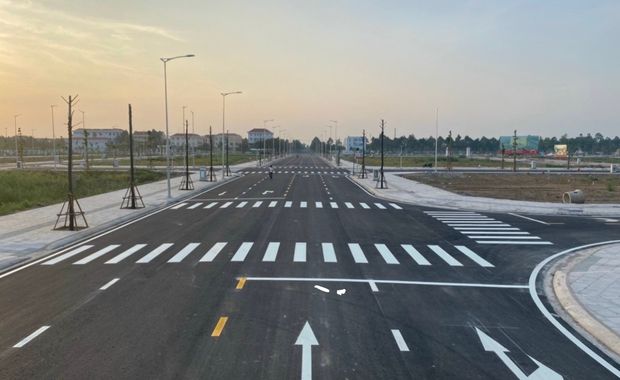
Smart and Innovative Road Marking Technology
In the current era, technology plays a crucial role in various industries, including road marking. Smart and innovative road marking technology is bringing significant advancements in creating efficient, safe, and sustainable road markings. Here are some examples of smart and innovative road marking technology:
Reflective Road Marking Paint
Reflective technology has significantly improved road marking paint. Reflective paint contains reflective beads that absorb daylight and emit light at night. This enhances visibility in low-light conditions, improving nighttime traffic safety.
Thermochromic Technology
Thermochromic technology allows road marking paint to change color based on environmental temperature. This can create color-changing road markings that warn of icy or slippery road conditions, enhancing traffic safety in harsh weather.
Remote-Controlled Paint Technology
Remote-controlled paint technology enables traffic management authorities to adjust and update road markings remotely. This helps maintain durability and quality without the need for direct intervention.
Integrated Smart Road Marking
Smart technologies like the Internet of Things (IoT) and artificial intelligence (AI) can be integrated into road markings. For example, road markings can be equipped with sensors to monitor traffic conditions and provide real-time information to traffic management systems.
Creative Design in Road Markings
Technology isn't just about functionality but also aesthetics. Creative road marking designs can include unique images, symbols, or patterns, creating visual highlights and an interesting experience for road users.
Incorporating these sustainable and innovative road marking technologies can lead to safer, more efficient, and visually appealing road systems.
Thermoplastic Road Marking Paint in Various Construction Projects?

Thermal Plastic Road Marking Paintt
The Importance of Road Marking Paint in Different Construction Projects
Road marking paint plays a crucial role in ensuring safety and efficiency in various construction projects, not limited to mere road surface markings. From large-scale projects like highway construction to smaller endeavors such as street renovations, the significance of road marking paint is evident.
Highway Construction Projects
In highway construction projects, road marking paint plays a vital role in guiding traffic, warning of potential hazards, and providing clarity to the fast-paced transportation system. Reflective road markings, in particular, enhance visibility at night, ensuring the safety of drivers.
City Street Renovations
During city street renovations, road marking paint shapes traffic flow, creates safe lanes for pedestrians and drivers, and improves the organization of the urban transportation system.
Construction of Pedestrian and Bicycle Areas
In pedestrian and bicycle areas, road marking paint helps establish safe and clear pathways for all road users, not just motor vehicle drivers. Unique charts and symbols are also utilized to enhance the experience of those using these pathways.
Airport and Seaport Projects
At airports and seaports, road marking paint contributes to the creation of effective and secure marking systems for vehicles and road users. The paint's resistance to heat and chemicals ensures durability in these demanding environments.
Infrastructure Construction Projects
In infrastructure construction projects such as bridges, roads, and railways, road marking paint plays a critical role in establishing reliable and safe lane marking systems for road users.
Applications on Different Types of Roads (e.g., Highways, Urban Streets)
Road marking paint is not limited to any specific type of road but is crucial for ensuring safety and efficiency on various road types. Here are some examples of road marking paint applications on different types of roads:
Highways
In highways, road marking paint plays a vital role in guiding traffic, defining lanes, and providing warnings. Reflective road markings enhance visibility in low-light conditions, contributing to safety.
Urban Streets
In urban streets, road marking paint is used to create lane markings, ensuring efficient traffic organization and the safety of pedestrians and drivers. It also adds aesthetic appeal to the city.
National and Interstate Roads
National and interstate roads often have heavy traffic volumes. Road marking paint helps define lanes, provide traffic guidance, and convey warning information such as safe speeds, barriers, or stopping points.
Pedestrian and Bicycle Areas
Pedestrian and bicycle areas require well-defined lane markings to ensure safety for those using these spaces. Road marking paint is used to create separate lanes for pedestrians and cyclists, along with warning symbols.
Public Areas and Transportation Hubs
Road marking paint is not limited to road surfaces but is also used in public areas such as bus terminals, train stations, and airports. It serves as a means of guidance and information for passengers and road users in these areas.
Cost Considerations for Thermoplastic Road Marking Paint Projects
Factors Affecting the Costs of Road Marking Paint Projects
Cost is a critical factor to carefully consider during thermoplastic road marking paint projects. Various elements can influence the cost of these projects, ranging from project scale to the type of paint and environmental conditions. Here are some important factors that affect the costs of thermoplastic road marking paint projects:
Project Scale
The scale of the project directly impacts the cost. Large-scale projects involving extensive road sections to be marked will require more resources and time, thus increasing the overall cost.
Type of Paint Used
The type of paint used also significantly affects costs. High-quality or specialized paints often come at a higher price point. However, opting for high-quality paint can reduce maintenance costs in the long run.
Environmental Conditions
Environmental conditions, such as weather, terrain, and the condition of the road surface, influence costs. Working in harsh conditions or requiring special preparations for the road surface can increase expenses.
Thickness and Size of Road Markings
The thickness of the road marking paint layer and the size of the road markings can impact costs. Thicker paint layers or larger markings may require more paint, thus increasing the cost.
Road Marking Technology
Advanced road marking technologies can also influence costs. Smart road marking or reflective paint may have a higher price tag, but they provide benefits in terms of efficiency and safety.
Other Factors
Other factors like project duration, pre-project preparations, and post-painting maintenance also play a role in overall costs. Proper planning and maintenance can help manage and optimize project expenses.
See more: Affordable Road Marking Paint.
Cost Efficiency and Long-Term Benefits of Road Marking Paint Projects
Road marking paint projects not only provide immediate benefits in guiding and warning traffic but also deliver cost efficiency and long-term advantages for construction and road maintenance projects. Here are ways in which road marking paint can offer cost efficiency and long-term benefits:
Cost Efficiency
- Improved Maintenance: High-quality road marking paint creates durable and clear markings. This reduces the frequency of repainting, positively impacting future maintenance costs.
- Enhanced Reflectivity: Reflective road markings improve nighttime visibility, reducing the risk of traffic accidents. This, in turn, saves on road maintenance costs and minimizes accident-related expenses.
- Strong Resistance to Wear: High-quality road marking paint exhibits better wear resistance, increasing the lifespan of road markings. This translates to cost savings by reducing the need for frequent repainting.
Long-Term Benefits
- Enhanced Traffic Safety: Road markings contribute to creating a safe marking system, delineating traffic flow and providing warning information to road users. This long-term benefit helps reduce accident risks.
- Time Savings: Reflective road markings make it easier for drivers to recognize lane directions and boundaries, reducing the time and energy required for safe driving.
- Environmental Protection: Road marking paint's water-resistant and chemical-resistant properties prevent the intrusion of harmful substances into the environment. This long-term benefit contributes to environmental protection.
Investing in high-quality road marking paint and proper maintenance practices can result in substantial cost savings over the lifespan of a road infrastructure project. Additionally, the improved safety and reduced environmental impact provide long-lasting benefits for both road users and the surrounding environment.
Contractor for Road Traffic Line Marking Paint Job

Contractor for Road Traffic Line Marking Paint Job
Roles and Responsibilities of Road Marking Contractors
Road marking contractors play a crucial role in maintaining and creating a safe and efficient transportation system. Their roles and responsibilities are vital to ensuring the safety and progress of construction and road maintenance projects. Here are some of the key roles and responsibilities of road marking contractors:
- Consultation and Solution Proposals: Before commencing a project, road marking contractors advise and propose suitable solutions to clients. They understand the project requirements and objectives, allowing them to suggest optimal road marking solutions that meet safety and efficiency requirements.
- Project Planning: Contractors must create detailed plans for the road marking process. This includes identifying timelines, resources, equipment, and specific implementation steps to ensure project progress.
- Execution of Road Marking: The primary role of contractors is to carry out the road marking work according to the pre-established plan. They are responsible for ensuring high-quality road markings that adhere to relevant standards and regulations, thereby creating a safe road marking system.
- Traffic Safety Management: During the construction process, contractors must ensure the safety of road users. They need to implement safety measures such as temporary traffic direction, providing warning information, and ensuring the smooth flow of traffic.
- Inspection and Maintenance: After completing road marking, contractors need to conduct thorough inspections to ensure quality. They also have to carry out regular maintenance to ensure that road markings remain clear and safe over time.
- Reporting and Statistics: Contractors are required to provide reports and statistics related to project progress, quality, and performance. This helps clients and relevant authorities evaluate project effectiveness.
Select reputable and experienced contractors for the road line marking project
Selecting reputable and experienced road marking contractors is crucial for the success of construction and road maintenance projects. Road marking projects demand professionalism and high quality to ensure traffic safety and efficiency. Here are some points to consider when choosing reputable and experienced contractors:
- Check Experience: Before selecting a contractor, assess their experience in the field of road marking. Experienced contractors typically have a strong understanding of processes, standards, and procedures related to road marking, ensuring project quality and performance.
- Evaluate Previous Projects: Review previous projects that the contractor has completed. This allows you to assess the quality of their work and consider whether they meet your requirements and expectations.
- Expert Consultation: Reputable and experienced contractors often provide professional advice on optimizing projects, from selecting the appropriate road marking paint to efficient execution methods. They can offer expert recommendations to improve the project.
- Customer References: If possible, seek feedback from previous clients who have worked with the contractor. This provides a realistic view of the quality of their service and performance.
- Verification of Documentation and Certifications: Request relevant documentation and certifications related to road marking and business operations. This ensures their professionalism and compliance with necessary standards.
- Compare Quotations: Request quotations from different contractors and compare them. However, keep in mind that the lowest price may not always be the best choice. Consider both quality and experience.
Successful Scenarios in Road Marking Projects
Road marking projects can achieve success through the selection of reputable contractors, detailed planning, and professional execution. Here are some successful scenarios in road marking projects:
- Highway Road Marking: In a highway road marking project, contractors applied high-quality reflective road marking technology. As a result, the lanes were clearly marked, enhancing nighttime visibility and ensuring the safety of drivers on the highway.
- Urban Road Marking: In an urban road marking project, contractors painted directional road markings, bus stops, and safe pedestrian crossings. The road markings were executed precisely, making it easy and safe for pedestrians and drivers to navigate.
- Infrastructure Construction Road Marking: In a new infrastructure construction project, contractors painted road markings on newly built roads. The road marking process was carried out according to a detailed plan and high standards, creating a safe and efficient marking system.
- Maintenance and Road Marking on Existing Roads: A maintenance and road marking project on existing roads achieved success by using high-quality road marking paint and precise execution techniques. Road markings were repainted to ensure they remained clear and easily visible, ensuring safety for road users.
Road Marking Construction Techniques
Modern Road Marking Equipment
Trong các dự án sơn vạch đường, việc sử dụng thiết bị và máy móc hiện đại đóng vai trò quan trọng để đảm bảo chất lượng và hiệu quả của quá trình thực hiện. Các công nghệ và thiết bị mới đã giúp cải thiện sự chính xác, tăng cường khả năng phản quang và nâng cao hiệu suất của dự án. Dưới đây là một số thiết bị và máy móc sơn vạch đường hiện đại:
In road marking projects, the use of modern equipment and machinery plays a vital role in ensuring the quality and efficiency of the process. New technologies and equipment have improved accuracy, enhanced reflectivity, and increased project performance. Here are some of the modern equipment and machinery used in road marking:
- Automated Road Marking Machines: Automated Road marking machines are among the crucial equipment in road marking projects. These machines have the capability to self-position and accurately and swiftly apply road markings. They can mark straight and curved lines as well as various road marking symbols, creating a clear and consistent marking system.
- Automated Reflective Bead Dispensers: Automated reflective bead dispensers are devices designed to enhance the reflectivity of road markings during nighttime. These machines automatically spray high-quality reflective beads onto road markings after they have been applied. This improves visibility and safety for drivers in low-light conditions.
- Line Stripers: Line striping machines are used to brighten road markings after they have been applied. This not only makes the markings more visible but also improves their reflectivity and durability.
- GPS Positioning Equipment: GPS positioning equipment is used to accurately determine the location of road markings. These devices ensure that road markings are applied precisely according to specified technical requirements.
- Multi-Purpose Paint Sprayers: Multi-purpose paint sprayers have the capability to accurately and uniformly spray paint onto road surfaces. These machines can apply straight lines, chevron markings, traffic symbols, and various types of road markings.
- Thermoplastic Applicators: Thermoplastic applicators are used in the application of thermoplastic road markings. These machines spray thermoplastic paint onto road surfaces, creating durable, abrasion-resistant, and highly reflective markings.
Collaboration Between Road Marking and Road Construction Experts
In road construction and road marking projects, collaboration between road marking experts and road construction professionals is essential to ensure the quality, safety, and efficiency of the entire transportation system. Both groups of experts need to work together to ensure that projects are executed optimally. Here are some ways in which this collaboration can be demonstrated:
- Sound Design: Road construction experts and road marking experts should collaborate from the initial design phase. Collaborative design ensures that factors such as road surface, dimensions, and marking shape are considered to create a safe and efficient road marking system.
- Material Selection: Road marking experts can provide insights into the best types of paint and reflective materials to use in road marking. Road construction experts can ensure that the road surface is adequately prepared to provide the best adhesion for road markings.
- Execution Planning: Collaborative planning ensures that road marking is carried out at the right time and according to the schedule. Road marking and road construction experts need to coordinate to determine the most suitable times for work without disrupting traffic flow.
- Monitoring and Inspection: Road marking experts can participate in monitoring the road marking process to ensure that work is done to the required standards and quality. Road construction experts can inspect road surfaces after marking to check adhesion and reflective quality.
- Ensuring Safety: Collaboration between road marking and road construction experts ensures that safety measures are implemented correctly. Both expert groups must work together to ensure the safety of road users and workers.
Efficient collaboration between these two groups of experts is crucial for the success of road construction and marking projects, ultimately leading to safer and more efficient transportation systems.
Standard Road Marking Construction Process

The Standard Road Traffic Marking Construction Process
Quality Control Measures for Standard Road Marking Construction
Quality control measures are essential to ensure the durability and effectiveness of road markings, promoting traffic safety and efficiency. These measures should be implemented from the planning stage through project completion. Here are quality control measures:
- Selecting High-Quality Materials: Choosing high-quality paint and reflective materials is crucial to ensure road markings are durable and have good reflectivity. Work with reputable and experienced suppliers known for providing quality materials.
- Pre and Post-Marking Inspection: Before applying road markings, conduct thorough inspections of the road surface and surrounding conditions to ensure that all factors are suitable for construction. After marking, perform technical inspections to ensure that the road markings meet the required standards.
- Machine and Equipment Calibration: Regularly calibrate the machines and equipment used in road marking to ensure their accuracy and that they produce markings that meet the standards.
- Control Paint Mixing Ratios: Properly mixing paint in accurate ratios is vital to ensure the desired durability and reflective quality of the markings. Adhere to guidelines regarding paint mixing ratios.
- Ensure Even Thickness and Reflective Quality: Uniform thickness and reflective quality of road markings are crucial factors. Quality control measures should ensure that paint is sprayed onto the road surface evenly, and reflective quality is maintained.
- Regular Inspection and Maintenance: After project completion, perform routine inspections and maintenance of road markings to ensure they continue to meet quality and safety standards. Maintenance may include cleaning, touch-ups, and necessary reapplication of paint.
Methods for Assessing Road Marking Performance Over Time
To ensure that road markings maintain their performance and quality over time, regular inspections and evaluations are necessary. These assessment methods help determine the condition of road markings and guide maintenance, repair, or reapplication efforts. Here are important assessment methods:
- Automated Inspection: Automated inspection systems use devices and sensors to measure thickness, smoothness, and reflective quality of road markings. Data collected from these systems assist in evaluating the performance and condition of road markings.
- Visual Inspection: Visual inspections involve using the naked eye or optical devices to assess the condition of road markings. This method helps identify issues such as fading, discoloration, or damage.
- Adhesion Testing: Adhesion testing assesses the bond between road markings and the road surface using force measurement devices. Weak adhesion may indicate damage or the need for repainting.
- Reflectivity Testing: Reflectivity testing involves measuring light and reflective quality using specialized equipment. This helps determine how well road markings perform at night and ensures they meet safety requirements.
- Environmental Durability Testing: Road markings must withstand environmental factors like UV radiation, temperature fluctuations, and moisture. Durability testing assesses how well markings endure harsh conditions.
- Regular Inspection and Maintenance: Scheduled inspections and maintenance are critical to maintaining road marking performance. This process includes cleaning, reapplication, or repairs to ensure markings meet safety and quality standards.
By employing these quality control measures and assessment methods, transportation authorities can ensure that road markings remain effective, contributing to safer and more efficient road systems over time.
Selecting a Professional and Reputable Road Marking Contractor
Criteria for choosing a professional road marking contractor
Experience and Track Record:
The contractor should have prior experience in road marking projects, successfully completing similar projects in the past. Evaluate their performance in maintaining road markings over time.
Licenses and Certifications:
Verify if the contractor holds valid business licenses and certifications related to road marking construction. These certifications demonstrate their competence and professionalism.
Technical Team and Staff:
Assess the contractor's technical team and staff. They should possess the necessary knowledge and skills to execute road marking according to standards.
Equipment and Technology:
The contractor should have access to modern equipment and technology for accurate and efficient road marking. New equipment enhances job performance and quality.
Customization Capability:
Ensure the contractor can tailor the project to your specific requirements. They should be able to meet special construction and material needs.
Clear Pricing and Rates:
Request a detailed pricing breakdown and information on rates. Ensure that the pricing is transparent, with no hidden fees.
Expertise, Portfolio, and Customer Reviews
When selecting a road marking contractor, considering their expertise, job portfolio, and reviews from previous clients is an essential step to ensure you choose a reliable and high-quality partner.
Expertise and Experience
Assessing the expertise and experience of a road marking contractor is crucial. Determine whether the contractor possesses the knowledge and skills necessary to execute the job professionally. Additionally, consider their experience in handling similar projects, as it is also an important factor to evaluate.
Portfolio of Work
Assessing the expertise and experience of a road marking contractor is crucial. Determine whether the contractor possesses the knowledge and skills necessary to execute the job professionally. Additionally, consider their experience in handling similar projects, as it is also an important factor to evaluate.
Evaluate customer reviews and feedback
Gather information about reviews and feedback from previous customers of the contractor. This will provide you with a clear understanding of the quality of their service, their ability to meet requirements, and their work attitude.
Trends and Developments in Road Marking Technology and Engineering for the Future
In the future, the field of road marking technology and engineering is expected to undergo several significant trends and developments to enhance performance, safety, and sustainability in the transportation system. Here are some potential trends and developments in this field:
- Smart and Automated Road Marking: Artificial Intelligence (AI) and the Internet of Things (IoT) will be applied to develop smart road markings. Automated systems will ensure more precise road markings, predict road conditions, and adjust paint colors based on weather and traffic conditions.
- Reflective Road Markings and LED Lights: Reflective Road markings and LED lights will improve visibility in low-light conditions or at night, ensuring safety for drivers. These new technologies will enhance accurate road recognition and directional guidance.
- Environmentally Friendly Road Markings: Concerns about the negative environmental impact of traditional road markings have spurred research and development of eco-friendly alternatives. This includes the use of recycled materials and low-emission painting technologies.
- Utilization of Robots and Drones: Robot and drone technologies may be used to efficiently and quickly paint road markings on major roadways.
- Interactive Smart Road Markings for Autonomous Vehicles: As autonomous vehicles become more prevalent, road markings can be designed to interact with the vehicle's systems, helping them recognize and adapt to road signs and markings.
- Advancements in Paint Materials: Research into new paint materials will focus on improved adhesion, durability, and better anti-skid properties, especially in harsh weather conditions.
These trends and developments are poised to revolutionize the road marking industry, making transportation systems safer, more efficient, and environmentally friendly.
Contact Information:
Chi Hao Service Trading Company Limited
- Address:
- Ho Chi Minh City Office: 606/76/4, National Highway 13, Ward Hiệp Bình Phước, Thu Duc District, Ho Chi Minh City.
- Can Tho Office: 388Z7 Group 2, Area 2, Ward An Khánh, Ninh Kieu District, Can Tho City.
- Cambodia Office: No. 86E0 Street 139, Sangkat Vealvong, Khan 7 Makara, Phnom Penh.
- Phone: +84 28 626 757 76 Fax: +84 28 626 757 28 Hotline: +84 818 21 22 26
- Cambodia Hotline: +855 12868178 / +855 70868178
- Email: [email protected]