Main content

Concept and Applications of Line Marking
What Is Line Marking?

Sơn kẻ vạch
Line marking is a construction process that involves applying paint or other materials to surfaces to create lines, symbols, and images. This process is commonly performed to define boundaries, guide traffic flow, and convey important information on surfaces such as streets, parking lots, sports fields, warehouses, and various other spaces. The primary goal of line marking is to provide clarity, safety, and efficiency in space usage.
Current Applications of Line Marking
Line marking has become an indispensable part of enhancing the aesthetics and safety of modern spaces. From road traffic to various industries and sports, line marking plays a crucial role in shaping spaces and creating organization. Below are some key applications of line marking in today's era:
Road Traffic Safety
The most common application of line marking is in road traffic management. Marked lanes, crosswalks, separation lines, and traffic symbols help guide drivers and pedestrians in adhering to traffic rules. Reflective paint used in line marking improves visibility at night, enhancing safety for road users.
Parking Lot Management
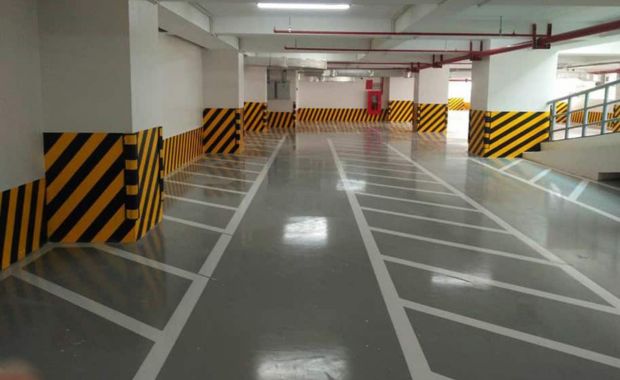
In parking lots, line marking plays a vital role in optimizing space utilization and preventing chaos. Marked lines designate parking spots, guide pedestrian paths, and indicate no-parking zones. This makes it easier for drivers to find parking spaces and reduces the risk of collisions.
Industrial and Warehouse Settings
In industrial and warehouse environments, line marking establishes organization and safety. Marked lines delineate work areas, paths for forklifts, and hazardous zones. This helps prevent accidents and optimizes work processes.
Sports Fields and Playgrounds
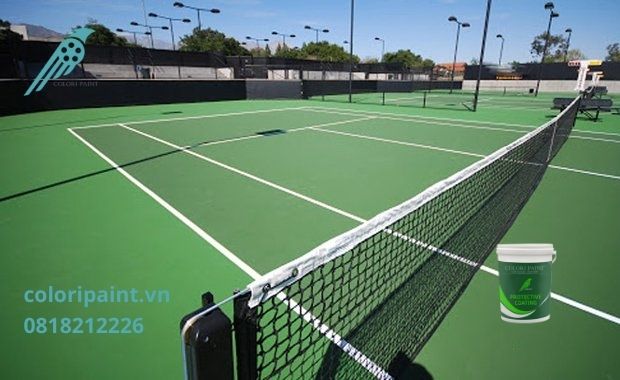
On sports fields and playgrounds, line marking defines boundaries for playing and competitions. Lines and symbols mark playing areas, scoring zones, and provide guidance on how to play sports. This contributes to creating a fair and safe sports environment.
Objectives and Benefits of Line Marking
Objectives of Line Marking

Lợi Ích Của Sơn Kẻ Vạch
Creating Clarity and Guidance:
The fundamental objective of line marking is to create clarity and guidance within a space. Lines, symbols, and signage help participants in traffic, pedestrians, and industrial workers understand boundaries, paths, and rules to follow.
Enhancing Safety:
Line marking plays a crucial role in enhancing safety. Marked lines identify hazardous areas, parking zones, and pedestrian pathways, reducing the risk of accidents and collisions. Reflective paint improves visibility at night, ensuring safety in low-light conditions.
Optimizing Space Usage:
In parking lots and industrial spaces, line marking helps optimize space usage. Marked lines indicate parking spots, guide forklift routes, and define work areas. This efficient use of space is cost-effective.
Benefits of Line Marking
Creating Organization and Order:
Line marking fosters organization and order in diverse spaces. From parking lots to warehouses and industrial settings, line marking defines boundaries and guides movement, resulting in an efficient and time-saving work environment.
Reducing Accident Risks:
The benefits of line marking include a reduction in the risk of accidents and collisions. This is especially crucial in road traffic and industrial areas, where marked lines indicate safe zones and prevent unwanted collisions, ensuring the safety of all involved.
Aesthetic Enhancement and Brand Representation:
Line marking can be customized to enhance aesthetics and represent a brand. Businesses can use line marking to showcase their logos, brand colors, and unique messages, creating positive interactions with customers and space users.
Factors Affecting Line Marking Quality
The quality of line marking depends not only on the use of quality materials but also on several other factors. Understanding these factors ensures a smooth line marking process and achieves excellent results. Below are the factors influencing line marking quality:
Surface Preparation:
Adequate surface preparation before line marking is essential to ensure proper adhesion of the paint. Surfaces must be thoroughly cleaned to remove dirt, grease, or other hindering materials. Improper surface preparation can lead to paint not adhering well and peeling off quickly.
Quality of Paint Materials:
The choice of high-quality paint materials significantly impacts line marking quality. The selected paint should be suitable for the environment and intended use. It must resist dirt, withstand weather conditions, and endure wear and tear from traffic and other factors.
Weather Conditions:
Weather conditions can significantly affect the line marking process. Paint requires time to dry and cure and weather factors such as temperature and humidity can influence this process. Extreme temperatures or high humidity can slow down drying and affect paint quality.
Application Technique:
Proper application techniques are crucial for achieving good line marking quality. The right machine pressure, movement speed, and paint thickness all influence the outcome. Experienced technicians are necessary to carry out the line marking process accurately.
Drying Time:
Drying time after painting is essential to ensure that the paint can function effectively without peeling off prematurely. The drying time should adhere to the manufacturer's guidelines. Using paint too soon before it has fully dried can lead to paint detachment.
In summary, line marking is a vital process for defining spaces, ensuring safety, and optimizing space utilization. Understanding its objectives, benefits, and the factors affecting quality is essential for successful line marking projects.
Types Of Commonly Used Line Marking Paints In Construction
Indoor Line Marking Paint (Epoxy Paint - Reflective Paint)
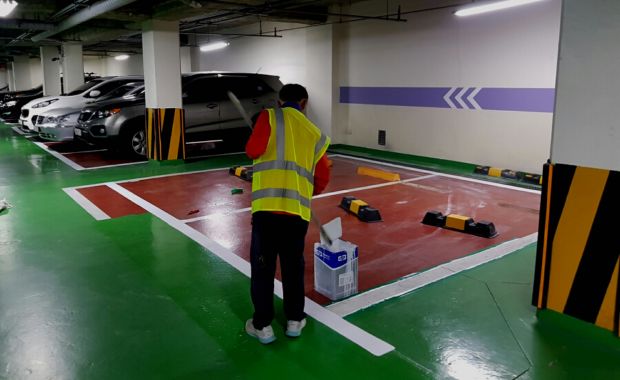
Indoor line marking paint is an essential element for creating organization, guidance, and safety within indoor spaces. There are two main types of paint commonly used for this purpose: Epoxy Paint and Reflective Paint. Both types of paint have their own characteristics and applications, suitable for different environments and purposes.
Epoxy Paint
Epoxy paint is a high-quality paint widely used for creating indoor line markings. Specifically, epoxy paint is often applied in environments that require durability, resistance to wear and tear, and resistance to chemical exposure. Some benefits of epoxy paint include:
- Abrasion Resistance: Epoxy paint has excellent resistance to abrasion, making it an ideal choice for areas with high levels of foot traffic, such as warehouses, manufacturing facilities, and indoor sports venues.
- Waterproofing: Epoxy paint creates a waterproof surface, protecting the substrate and increasing the durability of the line markings.
- Ease of Cleaning: The surface of epoxy paint is easy to clean, does not accumulate dirt, and helps maintain the cleanliness of indoor spaces.
Epoxy paint is commonly used in industrial environments, warehouses, machine rooms, and areas with heavy loads, contributing to organization and safety in the workplace.
Reflective Paint
Reflective paint is a type of paint that can glow in the dark after exposure to light. This helps create clear line markings and symbols that are easily visible in low-light conditions. The advantages of reflective paint include:
- Safety in the Dark: Reflective paint provides clear visibility in low-light situations, ensuring safe movement for individuals.
- Energy Efficiency: Reflective paint does not need continuous exposure to light to glow, saving energy.
- Applications for Areas Requiring Illumination: Reflective paint is often used in hallways, emergency exits, and areas that require clear visibility in the dark.
Reflective paint provides guidance and safety in spaces that require illumination after daylight hours or in artificially lit environments.
Outdoor Line Marking Paint (Polyurethane Paint - Thermoplastic Paint)
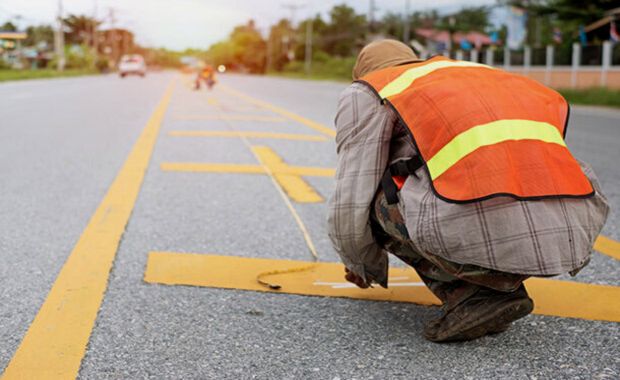
Outdoor line marking paint plays a significant role in guiding, ensuring safety, and organizing outdoor surfaces. In outdoor environments, both Polyurethane Paint and Thermoplastic Paint are popular choices for creating line markings and symbols. Both types of paint have their own characteristics and are suitable for different environments and weather conditions.
Polyurethane Paint
Polyurethane paint is a type of paint with high abrasion resistance, resistance to UV radiation, and flexibility, making it suitable for outdoor line markings. Some benefits of polyurethane paint include:
- Abrasion Resistance: Polyurethane paint withstands abrasion well, making it an ideal choice for line markings on surfaces such as roads, walkways, and parking lots.
- UV Resistance: Polyurethane paint resists the effects of UV radiation, helping line markings maintain their color and visibility in outdoor environments.
- Ease of Cleaning: The surface of polyurethane paint is easy to clean and resistant to dirt buildup, ensuring the cleanliness of line markings.
Polyurethane paint is often used on surfaces such as roads, sidewalks, and areas with heavy traffic loads and exposure to weather conditions.
Thermoplastic Paint
Thermoplastic paint is a type of paint known for its high heat resistance, resistance to UV radiation, and flexibility, suitable for outdoor applications. The advantages of thermoplastic paint include:
- UV Resistance: Thermoplastic paint withstands the effects of UV radiation, ensuring the long-lasting color and visibility of line markings in outdoor conditions.
- High Heat Resistance: Thermoplastic paint can withstand high temperatures, making it suitable for surfaces exposed to intense sunlight.
- Good Flexibility: Thermoplastic paint has good flexibility, ensuring that line markings do not crack or break under changing environmental conditions.
Thermoplastic paint is commonly used in environments with high temperatures, such as scorching parking lots and areas exposed to sunlight.
Waterborne Line Marking Paint
Waterborne line marking paint is a special type of paint used to create line markings on roads where the drainage system has a significant impact. This includes areas such as roads prone to flooding, areas with shallow water tables, or areas frequently exposed to water due to the surrounding environment.
Characteristics of waterborne line marking paint typically include:
- Waterproofing: The paint needs to have excellent waterproofing properties to ensure that water cannot penetrate the paint layer and cause damage.
- Abrasion Resistance: Waterborne line marking paint should resist abrasion caused by water and vehicular traffic.
- Adhesion: The paint should adhere tightly to the road surface, even in wet conditions.
Applications of waterborne line marking paint include:
Flood-Prone Roads: Areas at risk of flooding benefit from waterborne line marking paint to maintain the visibility of road markings during wet conditions.
Shallow Water Table Areas: Regions with a shallow water table may use waterborne paint to prevent water damage to line markings.
Latest 2023 Line Marking Construction Price List
Defining the Purpose of Line Marking Construction

Line marking construction is a crucial part of maintaining organization, safety, and efficiency in various spaces and surfaces. Line marking serves various purposes depending on the type of surface and the environment of use. Below are some key purposes of line marking construction:
Traffic Guidance
The primary purpose of road line marking is to create traffic guidance signs. This helps drivers, pedestrians, and other vehicles identify the correct direction, lanes, and safe areas on the road.
Organization in Spaces
In areas such as parking lots, company premises, warehouses, line marking helps create organization in terms of parking, movement, and space management. Markings delineate separate areas, ensuring efficient space utilization.
Ensuring Safety in Special Areas
Special areas like emergency exits, entrances/exits, and high-safety zones require line marking to ensure that participants know how to move safely and are aware of safe zones.
Enhancing Efficiency in Sports and Entertainment
In sports fields, playgrounds, entertainment venues, line marking defines competition areas, opponent positions, and provides favorable conditions for sports and entertainment activities.
Aesthetic Highlights
Beyond functionality, line marking can also be used to create aesthetic highlights in a space. For example, line markings can be used to create special patterns or symbols on the road surface.
Ensuring Compliance with Traffic Laws for Safe Journeys
Properly marked road lines, as per regulations, ensure compliance with traffic rules, especially in terms of navigation, parking, and respecting restricted areas.
Evaluating Surface Quality
Before commencing line marking construction, evaluating the quality of the underlying surface is a crucial step to ensure that the paint adheres well and maintains durability over time. This process helps determine the necessary preparations and suitable treatment steps to create an ideal surface for line marking. Here are some factors to consider when evaluating surface quality:
Adhesion
Adhesion is a critical factor to ensure that line marking paint adheres well to the surface. If the surface lacks sufficient adhesion, the paint may peel or wear off quickly. Adhesion can be tested by using adhesive tape and checking if it adheres tightly or peels off when applied to the surface.
Surface Texture and Paint Readiness
The surface should be sufficiently textured and ready to receive paint. If the surface is too smooth or has impurities underneath, the paint may not adhere well and may be prone to peeling. Surface roughening may involve removing cracks, old paint layers, or other adhering substances.
Condition of Cracks and Damage
Thoroughly inspect the surface for cracks, holes, or damage. Cracks can lead to paint peeling after application, so they need to be repaired before line marking construction.
Surface Evenness and Appearance
The surface should be even and uniform to ensure that the lines created after marking are not distorted or uneven. Checking the straightness and appearance of the surface can be done using accurate measuring tools.
Surface Cleanliness
The surface must be thoroughly cleaned before line marking construction. Dirt, oil, grease, or dust can reduce paint adhesion and cause cracks after application.
Please note that the prices for line marking construction can vary widely depending on factors such as location, surface type, complexity, and the quantity of markings needed. For specific pricing information, it is advisable to contact local contractors or suppliers in your area.
Chí Hào's Standard Line Marking Construction Procedure
Cleaning the Surface for Line Marking Construction
Before commencing line marking construction, thorough surface cleaning is a crucial step to ensure that the paint adheres well and maintains durability over time. Proper cleaning not only prepares the surface for line marking but also ensures the accuracy and adhesion of the lines after construction. Below are the steps for cleaning the surface for line marking construction:
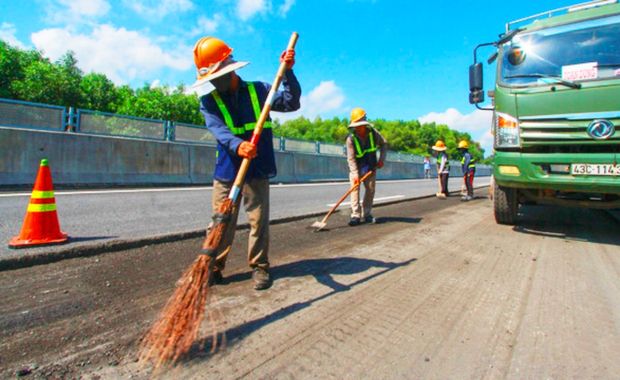
- Dust and Dirt Removal: Begin by removing dust, dirt, and other contaminants from the surface to be marked. You can use a stiff brush, a scrubbing brush, or a vacuum cleaner to eliminate dust and dirt from the surface.
- Oil and Grease Removal: If there is oil, grease, or stubborn stains present, use a specialized cleaning solution or a mild soap solution to clean these areas. Ensure thorough rinsing and drying after cleaning.
- Use a Cleaning Agent: Specialized cleaning agents can be used to clean tough stains and significant discolorations. Follow the manufacturer's instructions when using cleaning agents.
- Ensure Surface is Dry: After cleaning, ensure that the surface to be marked is completely dry before proceeding with line marking. Moisture can affect paint adhesion negatively.
- Thorough Inspection: Before line marking, inspect the surface thoroughly to ensure there is no remaining dust, dirt, or other contaminants. This helps ensure that the paint adheres well and achieves the best results.
- Use Appropriate Tools: When cleaning the surface, use appropriate tools such as soft brushes, soft bristle brushes, or non-woven fabric to avoid scratching the surface.
Determining Line Markings Before Line Marking Construction

To ensure an accurate and efficient line marking construction process, determining the line markings beforehand is a crucial step. Below are the steps to determine line markings:
Planning and Measurement:
Start by planning the determination of line markings. Identify the areas that require line marking, including both the length and width of the surface.
Use measurement tools such as rulers and measuring tapes to determine the segments of the lines to be marked. Measure from the starting point to the endpoint of each segment to ascertain the exact length.
Mark Starting and Ending Points of Line Segments:
At each starting and ending point of the line segment, use marking tools such as paint pens or chalk to mark the positions. This will help you clearly identify crucial points.
Determine Direction and Angles:
If the line markings require direction and angles rather than straight lines, use measuring tools to determine the angles and directions of the line markings. This ensures that the lines are accurately marked as required.
Use Tape or Guidelines:
To create straight- and uniform-line markings, you can use tape or guidelines along the marked points to guide the marking process. Apply tape or guidelines along the predetermined points, ensuring they are straight and uniform.
Double-Check:
Before commencing line marking, double-check the entire set of determined line markings. Ensure that the line segments, angles, and directions are accurate and meet the project requirements.
Performing Primer Coat Application
The primer coat plays a crucial role in the line marking process, creating an ideal surface for the main paint to adhere to and providing additional protection. Properly applying the primer coat will establish a protective layer for the surface, enhance paint adhesion, and improve the durability of the final lines. Here are the steps for applying the primer coat:
Select Quality Primer Coat:
Choose a high-quality primer coat that is suitable for the type of surface you are working on. Primer coats often feature protective properties, improved adhesion, and enhanced performance for the main paint.
Use Appropriate Tools:
Utilize suitable tools such as brushes, paint rollers, or paint sprayers to apply the primer coat. Ensure that the primer coat is evenly and smoothly spread across the entire surface.
Apply Primer Coat Evenly:
Apply the primer coat evenly and do not leave any areas uncovered. This ensures that the entire surface is coated with the primer, promoting uniformity and effectiveness.
Ensure Complete Drying:
After applying the primer coat, allow it to dry completely before proceeding with the application of the main paint. This ensures proper adhesion and performance of the main paint.
Surface Preparation Once Again
Inspect the Current Surface:
Before further surface treatment, carefully inspect the surface that has been primed to check for cracks, holes, or any defects that may have appeared after the primer coat has dried.
Clean the Surface:
Use an appropriate cleaning solution to remove any remaining dust, dirt, oil, grease, or other contaminants from the surface. Ensure the surface is clean and prepared for the next treatment.
Carry Out Surface Treatment:
Depending on specific requirements, you may perform surface treatments such as sanding, polishing, or smoothing. The purpose of this is to create a smooth and prepared surface for the next coat of paint.
Fill Cracks and Holes:
If you discover cracks or holes during the inspection, use a filler compound to fill these areas. After the filler compound has dried, gently sand it to create a smooth and even surface.

Applying the Final Paint Coat
The final paint coat is the last step in the line marking construction process, providing the finishing touch and protection to the prepared surface. The final paint coat not only creates a protective shell for the surface but also enhances aesthetics and durability of the line markings. Here are the steps for applying the final paint coat:
Use Quality Final Paint:
Select a high-quality final paint that suits the specific requirements of your project. Final paints often have features like waterproofing, UV resistance, and environmental protection.
Apply the Final Paint Evenly:
Use suitable tools to apply the final paint evenly. Ensure that the final paint is distributed smoothly and uniformly across the surface.
Ensure Complete Drying:
After applying the final paint coat, allow it to dry completely before exposing the surface to the environment. This ensures the longevity and effectiveness of the final paint coat.
Post-Construction Inspection and Testing
After completing the line marking construction process, inspection and testing are essential steps to ensure the quality and performance of the work:
Quality Inspection of Line Markings:
Thoroughly inspect the marked surface to identify any cracks, holes, or imperfections that may have appeared after the line marking. If any issues are found, perform necessary repairs before continuing.
Measure Paint Thickness:
Use paint thickness measuring devices to check the thickness of the line markings. This ensures that the paint has been applied evenly and reaches the desired thickness.
Check Color and Texture:
Compare the color of the dried paint to the initial color sample to ensure accurate color matching. Additionally, inspect the texture of the surface to verify that it meets the desired quality.
Verify Straightness of Lines:
Use measuring tools to verify the straightness and uniformity of the marked lines. This ensures that the lines have been accurately and uniformly applied.
Bearing and Slip Resistance Testing:
If the project requires it, perform bearing and slip resistance tests to ensure that the line markings meet the required durability and anti-slip standards under specific environmental conditions.
Exposure to Sunlight and Weather:
In outdoor environments, assess how the line markings withstand exposure to sunlight and weather conditions. This helps ensure the long-term quality of the paint.
Load Testing:
If the line markings are applied to roads or playgrounds, conduct load tests to ensure that the paint can withstand the loads imposed by vehicles or recreational activities.
These comprehensive steps outline the standard procedure for line marking construction, from surface preparation to final inspection. Following these steps diligently will help ensure the quality, durability, and effectiveness of the line markings.
Measures to Protect Quality After Line Marking Construction
After completing the line marking construction process, it's essential to take measures to protect the quality, ensuring that the project maintains its durability and aesthetic appeal. Here are some important steps to safeguard the quality of the line markings:
Keep the Construction Area Clean:
To prevent dust, debris, or foreign particles from affecting the line markings, maintain a clean construction area. Regularly clean the surface and remove any contaminants that could compromise the adhesion of the paint.
Limit Load on the Surface:
Avoid placing heavy loads or objects on the freshly marked surface during the drying and initial adhesion phase. Excessive weight can impact the durability and aesthetics of the line markings.
Avoid Strong Chemicals:
Refrain from using strong chemicals or harsh cleaning solutions that might reduce the adhesion and durability of the line markings. If necessary, use gentle cleaning methods to protect the paint.
Maintain Stable Environmental Conditions:
Humid or extreme temperature environments can affect the drying and adhesion of line markings. Ensure that the surrounding environment remains stable to optimize the performance of the paint.
Perform Regular Maintenance:
Implement routine maintenance for the line markings to ensure they maintain their aesthetic appeal and adhesion over time. Maintenance may include cleaning, inspecting, and repainting specific areas as needed.
Store Materials Properly:
If there is excess line marking material, follow the manufacturer's guidelines for storage. Ensure that materials are stored in a dry, well-ventilated area, away from direct sunlight.
Monitor and Address Issues Promptly:
Continuously monitor the condition of the line markings over time and address any scratches, cracks, or areas of peeling as soon as they appear. This proactive approach helps maintain both the aesthetic and durable qualities of the markings.
By following these protective measures, you can extend the lifespan and quality of your line markings, ensuring they remain effective and visually appealing over an extended period.
Chí Hào: Your Trusted and Professional Line Marking Contractor
Why Clients Choose Us for Line Marking Projects:
Experience and Expertise:
We boast a team of seasoned experts with extensive experience and high-level expertise in the field of line marking. Clients trust our deep understanding of various types of paint, painting technologies, and our impeccable execution skills.
Product Quality and Services:
We are committed to using high-quality paint products that meet safety and environmental standards. Clients can rest assured about the durability, adhesion, and aesthetic qualities of the line markings we apply.
Professional Consultation:
Clients highly value our professional consultation and project customization abilities. We actively listen and thoroughly understand the specific requirements of each client to ensure that the project aligns precisely with their expectations.
Comprehensive Solutions:
Chí Hào provides end-to-end solutions for line marking projects, from initial assessments and surface preparation to execution, inspections, and post-completion maintenance. This holistic approach helps clients save time and effort.
On-Time Commitment:
We adhere to our commitments regarding project completion timelines, enabling clients to plan their activities efficiently. Our flexibility and precision in scheduling are among our key strengths.
Professional Technical Team:
Chí Hào boasts a team of professional technicians with the skills and knowledge to carry out line marking projects flawlessly. Our team pays meticulous attention to detail, ensuring a perfect outcome.
When you choose Chí Hào for your line marking needs, you are opting for a reliable, experienced, and customer-centric contractor dedicated to delivering high-quality results while meeting your specific requirements.
Thermoplastic Road Marking Paint for Reflective Traffic Lines
What Is Thermoplastic Paint?
Thermoplastic paint is a type of paint known for its high elasticity and heat resistance. It is commonly used to mark surfaces subjected to temperature variations, expansion, contraction, and impact. This paint is typically made from flexible polymer compounds, allowing it to stretch without cracking or peeling.
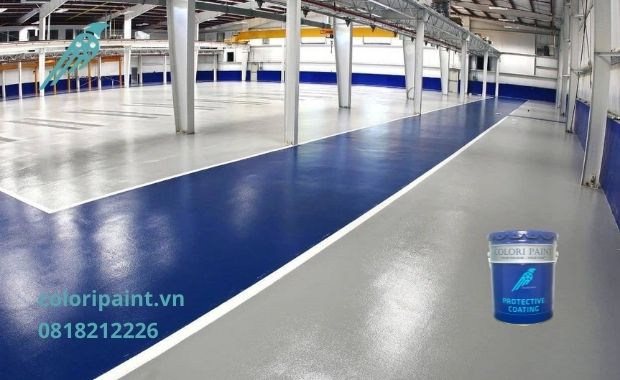
Composition of Thermoplastic Road Marking Paint
Thermoplastic road marking paint is a multi-component product constructed from high-quality materials to ensure elasticity, heat resistance, and adhesion to road surfaces. It's typical composition includes the following elements:
- Plastic Resin: This is the primary component of thermoplastic road marking paint. This resin possesses elasticity and flexibility, enabling the paint to withstand temperature fluctuations and impact without causing cracks or peeling. It helps the painter adapt to challenging environmental conditions.
- Reflective Beads: Reflective beads are essential for creating the light-reflective properties of thermoplastic road marking paint. These beads enhance the visibility of road markings in low light or nighttime conditions, improving road safety.
- Anti-Slip Agents: To enhance safety, some types of thermoplastic road marking paint contain anti-slip additives. These tiny particles increase friction, preventing skidding and ensuring safe conditions for vehicles and pedestrians.
- Color Pigments: Color pigments are added to provide thermoplastic paint with various colors, complying with specific traffic line color regulations. The color of road markings also plays a critical role in aiding traffic flow and visual effectiveness.

- Other Additives: In addition to the main components, thermoplastic road marking paint may include additives like viscosity modifiers, stabilizers, and bulking agents. These additives improve the paint's characteristics and ensure smooth application.
Technical Specifications of Reflective Thermoplastic Road Marking Paint
Reflective thermoplastic road marking paint is specifically designed to create safe and highly visible road markings, especially in low-light or nighttime conditions. Here are some technical specifications:
- Reflectivity: Reflective thermoplastic road marking paint is engineered to exhibit excellent light-reflective properties. The reflective beads in the paint enable it to reflect light effectively, making road markings clear and visible in low-light situations.
- Elasticity and Heat Resistance: This paint must possess high elasticity to stretch without cracking or peeling during temperature fluctuations. It should also withstand high temperatures without losing its properties or deforming.
- Durability and Anti-Skid Properties: Reflective thermoplastic paint should be durable enough to withstand impact and environmental factors. It should also contain anti-slip agents to provide sufficient friction, ensuring the safety of road users.
- Color Stability: The color of thermoplastic road marking paint should remain stable over time, without fading or peeling due to weather or environmental influences.
- Curing Time: The curing time of the paint determines when the road markings can be safely used after application. This time frame must be carefully managed to avoid damage during the initial period.
The Workforce for Thermoplastic Road Marking Paint Application
Workforce for Implementing the Road Traffic Line Marking Process
The successful application of thermoplastic road marking paint relies on a skilled workforce that ensures the work adheres to established procedures and quality standards. Here are key roles within the workforce for road marking projects:
- Design Engineer: Design engineers play a crucial role in planning the application, identifying areas requiring road markings, calculating paint quantities, and specifying necessary equipment.
- Paint Applicators: Paint applicators are responsible for physically applying the road markings according to established procedures. They need experience in using painting equipment and ensuring high-quality application.
- Construction Workers: Construction workers assist in practical road marking tasks and ensure that the paint is applied evenly and accurately.
- Safety Personnel: Safety personnel oversee the safe execution of the application process, ensuring the safety of workers and road users. They monitor the use of safety equipment and enforce safety protocols.
- Quality Control Inspectors: Quality control inspectors verify that road markings meet color, adhesion, and reflectivity standards. They conduct inspections after the paint has completely dried.
- Project Managers: Project managers coordinate the workforce, ensuring that the project progresses according to the plan and meets client requirements.
In summary, thermoplastic road marking paint is a versatile material designed to provide clear and durable road markings. A skilled workforce is essential to ensure its proper application and adherence to safety and quality standards.
Choosing the Most Suitable and Effective Marking Method
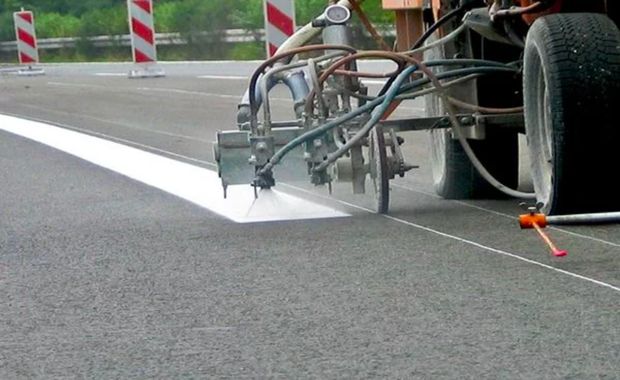
Selecting the appropriate method for applying thermoplastic reflective road markings is crucial to ensure safety, efficiency, and durability. Based on the specific project conditions and technical requirements, the applicator should consider and choose a suitable method. Here are some commonly used methods:
- Hand Application (Brushing): Hand application involves using brushes to paint road markings directly onto the road surface. This method is often used for small projects or when high precision is required in creating shapes and sizes for the markings. However, it can be more time-consuming compared to other methods.
- Spray Machine Application: Spray machines are efficient tools for applying road markings on the surface. This method saves time and provides an even coat of paint. Spray machines can adjust line width and thickness, creating sharp and accurate markings.
- Stencil Marking: Stencil marking is a method used to create uniform-sized markings. Stencils are placed on the road surface, and the paint is applied through the stencil to create precise markings according to the template.
- Automated Application Machines: Automated application machines are advanced tools for road marking. These machines are programmed to move and paint markings according to specified patterns. This method ensures accuracy and uniformity in markings.
Thermoplastic Road Traffic Line Marking Installation
Thermoplastic Reflective Road Marking Application:
Apply thermoplastic paint using a spray machine or suitable tools to create road markings. Ensure even and smooth application on the road surface.
Road markings can include solid lines, dashed lines, or necessary symbols.
After painting, conduct a thorough inspection to verify accuracy and contrast.
Post-Marking Inspection:
After the paint has dried, inspect the road markings to ensure accuracy and contrast.
Maintenance and Care:
Regular maintenance and periodic care are crucial to ensure the longevity and effectiveness of road markings over time.
Proper surface preparation, adherence to environmental conditions, and the selection of the right application method are key factors in achieving clear, durable, and effective road traffic line markings.
Creating Reflectivity on the Surface
Creating reflectivity on the surface is a crucial element when executing the installation of thermoplastic road traffic line markings. The reflectivity of road markings enhances visibility and safety for road users in low-light conditions. Below are the factors to create reflectivity on the surface:
Selecting the Right Reflective Paint:
Choosing the correct type of reflective paint is essential for creating reflectivity on the road surface. Reflective road marking paint often contains reflective beads, which enhance reflectivity in low-light conditions. Ensure that you select paint of good quality that meets reflectivity standards.
Ensuring Adhesion:
To create reflectivity, the paint layer needs to adhere firmly to the road surface. Proper surface preparation and applying a primer coat, if necessary, can improve adhesion and the durability of the reflective paint.
Painting Conditions:
Reflective road marking paint should be applied in appropriate conditions, ensuring the right temperature and humidity levels. Painting in unsuitable conditions can affect the reflectivity and the quality of the road markings.
Paint Thickness:
The reflectivity of road markings also depends on the thickness of the reflective paint layer. Ensure that you apply enough paint to achieve sufficient reflectivity while avoiding excessively thick layers.
Pre- and Post-Painting Inspection:
Before painting, carefully inspect the surface to ensure there are no cracks, holes, or other issues that could affect reflectivity. After painting, conduct a thorough inspection of the paint layer to ensure reflectivity and uniformity of the road markings.
Reflectivity Testing:
The final crucial step is to test the reflectivity of the road markings under low-light conditions. Use a strong light source to check reflectivity and ensure that the road markings meet reflectivity requirements.
Types of Road Marking Paint Products in the Market

There are various types of road marking paint products available in the market, each with different qualities and features to meet different project requirements. Here are some common and widely used types of road marking paint products:
Thermoplastic Reflective Paint:
This paint is commonly used to create road markings with high reflectivity in low-light conditions. It contains reflective beads to ensure safety for road users.
Epoxy Paint:
Epoxy paint is often used to create durable and highly abrasion-resistant road markings. It has excellent adhesion properties and can withstand harsh environmental factors such as weather and chemicals.
Polyurethane Paint:
Polyurethane paint is another popular choice for creating durable and abrasion-resistant road markings. It can withstand mechanical stress and adheres well to various surfaces.
Reflective Paint:
Reflective paint not only creates reflectivity for road markings but also enhances recognition in low-light conditions. It is often used to create important symbols, signs, or road markings.
Reflective Epoxy Paint:
Combining the durability of epoxy paint with the reflectivity of reflective paint, reflective epoxy paint is an excellent choice for creating highly durable and safe road markings.
Acrylic Paint:
Acrylic paint is often used for projects requiring visually appealing and sharp road markings. It can produce vibrant and diverse colors.
Applications of Thermoplastic Reflective Road Marking Paint
Thermoplastic reflective road marking paint, with its high reflectivity and heat resistance, is commonly used in various construction projects to create safe and easily recognizable road markings. Here are common construction categories where thermoplastic reflective road marking paint is applied:
Public Roads:
Thermoplastic reflective road markings are frequently used on public roads, including streets, avenues, and highways. Reflective road markings enhance nighttime visibility and ensure the safety of road users.
Airports and Seaports:
Airports and seaports use thermoplastic reflective road markings to create directional signs, taxiways, and other safety markings. Reflective markings ensure high visibility in all weather conditions.
Industrial Areas and Factories:
In industrial areas, factories, and manufacturing facilities, thermoplastic reflective road markings are applied to guide vehicles and workers efficiently. This improves traffic flow and safety.
Emergency Areas:
Thermoplastic reflective road markings are also applied in emergency areas such as hospitals, fire stations, police stations, and emergency response centers. Markings and safety zones enhance recognition during emergencies.
Sports and Entertainment Venues:
Sports stadiums, entertainment venues, and arenas use thermoplastic reflective road markings for sports field boundaries, entrances, and exits, ensuring a safe environment for participants and spectators.
Factors Affecting the Cost of Thermoplastic Road Marking Installation
The cost of thermoplastic road marking installation can vary depending on several factors, including:
Surface Area:
The area that needs marking is a significant cost factor. Typically, the cost is calculated per square meter. Larger areas may come with lower costs per square meter.
Type of Paint Used:
The choice of paint type affects the cost. Reflective or specialized paints may be more expensive than standard thermoplastic paint.
Complexity of Installation:
The complexity of the installation, including the design and size of markings, can affect costs. More intricate markings or patterns may require additional time and effort.
Chuẩn Bị Bề Mặt Thi Công
Geographical Location:
The project's geographical location can impact costs due to variations in competition and transportation expenses.
Project Requirements:
Specific project requirements, such as the timeline for completion, surface preparation, and special project needs, can affect overall costs.
It's essential to assess these factors and obtain quotes from reputable contractors to determine the precise cost of thermoplastic road marking installation for your project.
Road Marking Construction Process
Step 1: Base Coat Painting
The first step in the process is applying the base coat of paint. The base coat creates a suitable surface for the main road markings. The base coat must be allowed to dry completely before proceeding to the next step.
Step 2: Thermoplastic Road Marking
Thermoplastic paint is a type of paint that can withstand heat and expand when temperatures rise. This step involves applying a layer of thermoplastic paint on the prepared road surface. Thermoplastic paint enhances the durability of road markings and ensures they won't peel or deteriorate due to temperature fluctuations.
Step 3: Post-Construction Inspection of Road Markings
After completing the road marking construction, the final step is to conduct technical and quality inspections of the work. Check the thickness and uniformity of the road markings to ensure they meet safety and quality standards. If any issues are identified, take appropriate corrective measures.
What Are Road Markings?

Effective Road Marking Construction Process
Road markings contribute significantly to maintaining order and safety on roadways. The road marking construction process demands precision and technical expertise to ensure the creation of clear, durable, and aesthetically pleasing road markings. Here's a detailed process to execute road marking construction effectively:
Step 1: Prepare Road Marking Paint
Before starting construction, preparing road marking paint is a critical step to ensure high-quality, ready-to-use paint. Follow these steps:
- Gather equipment and materials: Prepare a paint melting machine or stovetop, road marking paint cans, a stirring rod, and necessary tools for the paint melting process.
- Choose the appropriate paint type: Select Road marking paint suitable for the road surface type and weather conditions. The paint should have excellent adhesion properties and durability in a traffic environment.
- Melt the paint as per instructions: Follow the manufacturer's guidelines to melt the road marking paint, ensuring even mixing and proper heating times.
- Check the paint quality: Before proceeding with construction, inspect the paint to ensure it meets quality and technical requirements.
Step 2: Road Marking Construction
Once the paint is ready, proceed with road marking construction on the prepared road surface. Follow these steps:
- Prepare equipment and materials: Get the paint spraying machine or other painting tools, road marking paint, personal protective gear, and other necessary equipment.
- Mark the road marking positions: Use measuring and marking tools to determine the positions and dimensions of the road markings on the road surface.
- Apply road marking paint: Use the paint spraying machine or other painting tools to apply road markings to the road surface. Ensure the markings are applied evenly and accurately.
- Conduct technical inspection: Check the technical aspects of the road markings, including thickness, uniformity, and reflectivity (if applicable).
By following this road marking construction process, you can create road markings that enhance safety and order on roadways.
Safety and Effective Road Marking Construction Practices
Road marking construction is a critical task to ensure traffic safety and order on roads. To ensure that the construction process is carried out safely and effectively, here are measures you should follow:
- Full Preparation of Tools and Materials: Before starting construction, ensure that you have prepared all the necessary tools and materials. This includes paint spraying machines, road marking paint, measuring and marking tools, personal protective equipment, and other safety devices.
- Select Appropriate Paint Type: Choose the type of road marking paint that is suitable for the road surface and weather conditions. The paint should have good adhesion properties and ensure durability in a traffic environment.
- Ensure a Clean Road Surface: Before painting, make sure the road surface is thoroughly cleaned to remove dirt, grease, and other contaminants. This enhances paint adhesion and the longevity of road markings.
- Accurate Marking of Road Marking Positions: Use measuring and marking tools to determine the positions and dimensions of the road markings accurately. Ensure that the markings are painted in the correct positions and meet size requirements.
- Use Safety Equipment: Ensure that you and your colleagues are wearing all the required personal protective equipment, including helmets, safety glasses, gloves, and protective clothing. This helps protect your health during the construction process.
- Adhere to Traffic Rules: During construction, always adhere to traffic rules and follow directional signs. This ensures the safety of both road users and those performing the work.
- Paint Road Markings Evenly and Accurately: Use paint spraying machines or other painting tools to apply road markings to the road surface. Ensure that the paint is applied evenly and accurately.
- Allow Paint to Dry Completely Before Reopening Traffic: After completing the painting, make sure that the paint has dried completely before allowing vehicles to pass over the freshly painted road markings.
- Technical Inspection: Conduct a technical inspection of the road markings, checking for thickness, uniformity, and reflectivity (if applicable). This ensures that the road markings meet safety and quality standards.
Simple Methods for Removing Road Markings
The need to remove road markings may arise during infrastructure maintenance and renovations. Here are simple methods to remove road markings:
- High-Pressure Water Jetting: High-pressure water jetting machines can effectively remove road markings from the road surface. The strong water pressure, combined with an appropriate nozzle, can peel off the paint without damaging the road surface.
- Use of Paint Removers: Several types of paint removers are available on the market to help remove road markings. Before use, make sure to read the instructions carefully and follow safety precautions.
- Mechanical Removal: Use mechanical means such as scraping, cutting, or grinding to remove road markings. Depending on the thickness and type of paint, you can use tools like chisels, cutting pliers, or scraping knives to eliminate the markings.
- Alternative Methods: Apart from the above methods, other techniques like laser beams, cutting rays, or using sanding devices can be employed to remove road markings.
Note:
During the process of removing road markings, always ensure strict adherence to safety measures. Use personal protective equipment such as safety glasses, gloves, and protective clothing to guarantee your safety and health. If you lack confidence or experience, consider seeking assistance from experienced professionals or contractors to perform this task safely and effectively.
Choosing the Best Road Marking Paint for Traffic
Selecting the best road marking paint is crucial for ensuring safety and durability in traffic infrastructure. Here are some common and top-quality types of road marking paint you may consider:
- Reflective Epoxy Paint: Reflective epoxy paint is a popular choice for creating bright road markings in low-light conditions or at night. It has excellent reflectivity properties, enhancing road visibility under poor lighting conditions.
- Thermoplastic Paint: Thermoplastic paint is a type of anti-skid paint widely used on high-traffic roads. It offers good resistance to impact and friction, ensuring long-lasting and safe road markings.
- Polyurethane Paint: Polyurethane paint has excellent weather resistance and environmental resilience, making it a suitable choice for regions with harsh weather conditions. It maintains color and durability.
- Semiconductor Glass Beads Paint: Made from semiconductor glass beads, this type of paint offers exceptional reflectivity, creating clear and easily recognizable road markings under various lighting conditions.
New Technologies and Trends in Road Marking
Smart Road Marking Using GPS Technology
Advancements in technology are bringing numerous benefits to various industries, including construction and maintenance of road markings. One notable trend is the use of smart road marking combined with GPS technology. This not only produces high-quality road markings but also optimizes the construction process. Here are some advantages of smart road marking using GPS technology:
- Accurate and Rapid Positioning: GPS technology enables precise and swift determination of road marking positions. Instead of relying on manual measurements, smart road marking with GPS ensures that markings are placed correctly and meet size requirements.
- Increased Accuracy and Consistency: GPS technology enhances the accuracy and consistency of road markings. GPS devices are integrated directly into paint spraying machines, allowing for adjustments in paint quantity and positioning to ensure even and accurate markings.
- Time and Material Savings: Smart Road marking using GPS technology saves time and materials. The process of determining positions and marking becomes quicker and more efficient, minimizing the need for rework due to errors.
- Enhanced Efficiency and Convenience for Workers: GPS technology boosts efficiency and convenience for road marking workers. Determining positions and line marking via GPS helps them work more accurately and reduces manual labor.
- Easy Management and Remote Monitoring: GPS technology enables easy management and remote monitoring of road marking construction progress. Managers can check and ensure that work is progressing on schedule and meeting quality standards.
Self-Renewing Road Marking Paint
Advances in technology have also led to the development of self-renewing road marking paint, which is a notable trend in the industry.
Benefits of Self-Renewing Road Marking Paint:
- Automatic Renewal After Wear and Tear: Self-renewing road marking paint can automatically restore itself after wear and tear caused by vehicle traffic and weather. Thanks to this feature, road markings maintain their brightness and contrast, enhancing visibility in various conditions.
- Cost Savings in Maintenance: Traditional Road markings often require regular replacement to maintain their brightness and contrast. Self-renewing paint reduces the frequency of replacements, resulting in cost savings in infrastructure maintenance.
- Traffic Safety Maintenance: Due to its self-renewal capabilities, road markings remain bright and easily recognizable, ensuring traffic safety, especially during low-light conditions or at night.
- Durability in Harsh Weather: Self-renewing road marking paint typically has excellent resistance to weather conditions and environmental impact. This makes road markings more durable, especially in harsh weather conditions.
- Reduced Environmental Impact: The self-renewal feature reduces the environmental impact associated with the replacement and disposal of road markings. This translates to a reduction in plastic and paint waste in the environment.
Choosing the best road marking paint depends on various factors such as local weather conditions, traffic density, and specific project requirements. Consulting with experts and considering the latest technologies and trends can help make an informed choice for road marking projects.
MAINTENANCE AND REPAINTING PROGRAM
Regular Maintenance Schedule
A regular maintenance schedule plays a crucial role in maintaining well-marked, easily visible, and safe road markings for traffic participants. Implementing periodic maintenance activities helps prevent wear and tear of road markings and extends their lifespan. Below is a basic periodic maintenance schedule for road markings:
- Regular Inspections: Conduct frequent inspections of road markings to assess their condition, checking for signs of wear, paint peeling, or any other issues. Regular inspections help detect problems early and allow for timely corrective actions.
- Surface Cleaning: Clean the surface of road markings to remove dust, debris, and other factors that can cause dimming. A clean surface enhances contrast and brightness.
- Repainting Road Markings: Repaint road markings when necessary to maintain color and contrast. Repainting restores brightness and visibility.
- Replace Deteriorated Road Markings: If Road markings are severely deteriorated or cannot be restored, replace them with new ones to ensure road safety.
- Check Reflective Materials (if applicable): If using reflective road markings, regularly inspect their reflective capabilities to ensure they function effectively under low-light or nighttime conditions.
- Establish a Regular Schedule: Create a periodic maintenance schedule for these activities to help you efficiently manage and maintain road markings.
Repainting Procedure for Sustaining Performance and Color
Repainting at regular intervals is a crucial part of maintaining the performance and color of road markings. The repainting process not only restores brightness and contrast but also extends their lifespan. Here is a basic repainting procedure to sustain performance and color:
- Surface Preparation: Before repainting, prepare the surface of road markings. Remove dust, debris, and peeling paint to ensure a clean surface and good contrast.
- Choose Suitable Paint: Select the appropriate type of paint for the type of road markings and environmental conditions. Ensure the paint is good quality and has high adhesion capabilities.
- Apply Primer Coat: Start by applying a primer coat to create a base for the topcoat. The primer coat enhances adhesion and durability for the topcoat.
- Apply Topcoat: Once the primer coat has dried, apply the topcoat. The topcoat provides the desired color and contrast for road markings.
- Ensure Proper Thickness: Ensure that the topcoat is applied with the correct thickness to achieve good color and durability. Follow the manufacturer's thickness recommendations.
- Allow Complete Drying: To ensure paint's finish and adhesion, allow the paint to dry completely before proceeding to the next steps.
- Thorough Inspection: After the paint has dried, perform a thorough inspection to ensure that the color, contrast, and quality of the road markings meet the requirements.
- Maintain Paint Records: Maintain paint records that include information about the type of paint, primer coat, topcoat, thickness, and application time. This helps with management and monitoring of road marking conditions.
Repainting Procedure for Sustaining Performance and Color
Repainting at regular intervals is a crucial part of maintaining the performance and color of road markings. The repainting process not only restores brightness and contrast but also extends their lifespan. Here is a basic repainting procedure to sustain performance and color:
- Surface Preparation: Before repainting, prepare the surface of road markings. Remove dust, debris, and peeling paint to ensure a clean surface and good contrast.
- Choose Suitable Paint: Select the appropriate type of paint for the type of road markings and environmental conditions. Ensure the paint is good quality and has high adhesion capabilities.
- Apply Primer Coat: Start by applying a primer coat to create a base for the topcoat. The primer coat enhances adhesion and durability for the topcoat.
- Apply Topcoat: Once the primer coat has dried, apply the topcoat. The topcoat provides the desired color and contrast for road markings.
- Ensure Proper Thickness: Ensure that the topcoat is applied with the correct thickness to achieve good color and durability. Follow the manufacturer's thickness recommendations.
- Allow Complete Drying: To ensure paint's finish and adhesion, allow the paint to dry completely before proceeding to the next steps.
- Thorough Inspection: After the paint has dried, perform a thorough inspection to ensure that the color, contrast, and quality of the road markings meet the requirements.
- Maintain Paint Records: Maintain paint records that include information about the type of paint, primer coat, topcoat, thickness, and application time. This helps with management and monitoring of road marking conditions.
Safety Guidelines for Road Marking Work
Using Personal Protective Equipment (PPE) during Work

Using personal protective equipment (PPE) is essential during road marking work.
PPE not only ensures the safety of workers but also protects their health from potential hazards in the working environment. Here are guidelines for using PPE during road marking work:
- Helmet: A helmet is one of the most critical pieces of PPE. It protects the head from impacts and objects falling from above. Ensure helmets fit properly and are worn correctly for effective protection.
- Protective Clothing: Protective clothing shields the skin from direct contact with paint and chemicals. Choose protective clothing made of waterproof materials suitable for the specific job. Ensure it covers exposed skin.
- Gloves: Use protective gloves to safeguard hands from direct contact with paint and chemicals. Select gloves made of materials appropriate for the chemicals used during the work.
- Safety Goggles: Safety goggles protect the eyes from dust, chemicals, and potential sources of harm. Choose safety goggles with UV and scratch-resistant properties.
- Safety Shoes: Safety shoes protect feet from impacts and potential hazards. Use safety shoes with slip-resistant soles and ensure they fit properly.
- Ear Protection: In noisy environments, use hearing protection such as earmuffs or earplugs to safeguard hearing from noise-related damage.
- Specialized PPE: If specific tasks require specialized PPE, such as working at heights, use safety harnesses and fall protection equipment to ensure safety.
- Adherence to PPE Instructions: Ensure that all workers understand how to correctly use and wear PPE. Specific instructions may be provided by the equipment manufacturer.
Safety Measures When Working in a Construction Environment
Working in a construction environment requires strict attention to safety measures to ensure the health and safety of all involved. Here are some essential safety measures when working in a construction environment:
- Training and Instruction: Before commencing work, provide training to all employees on safety procedures and instructions for safe work practices. Ensure that everyone understands safety rules and regulations.
- Use of PPE: Enforce the use of personal protective equipment (PPE) such as helmets, protective clothing, gloves, safety goggles, and safety shoes to protect against potential hazards in the work environment.
- Equipment and Machinery Inspection: Before using any equipment or machinery, perform thorough inspections to ensure they are in proper working condition and safe to use. Report any defects and ensure prompt repairs.
- Safe Handling of Liquids and Chemicals: Follow manufacturer's instructions and safety guidelines when handling liquids and chemicals, including storage, usage, and disposal.
- Safety for Working at Heights: When working at heights, use safety harnesses, safety nets, guardrails, or other appropriate fall protection equipment to ensure safety.
- Effective Ventilation: Use effective ventilation systems to remove paint fumes, chemicals, and dust from the work area to maintain air quality.
- Environmental Assessment: Assess the work environment for potential hazards, including electrical sources, toxic gases, or fire risks, and take necessary precautions.
- Safety Zones: Establish safety zones and use warning signs to prevent unauthorized access to hazardous areas.
- Proper Waste Disposal: Handle waste and hazardous materials safely and dispose of them in accordance with regulations.
- Coordination and Communication: Ensure effective coordination among team members and communicate information accurately to avoid unexpected hazards.
These safety measures are essential to create a secure working environment and prevent accidents during road marking work.
THINGS TO CONSIDER WHEN CHOOSING A ROAD MARKING CONTRACTOR
Solid Experience and Reputation of the Company
When selecting a road marking contractor, the experience and reputation of the company are crucial factors that need careful consideration. These are key strengths that can significantly impact the quality of service and project performance. Here's why experience and reputation are important and how to assess them:
- Experience in Road Marking: A company with experience in road marking typically possesses in-depth knowledge of relevant processes, technologies, and materials. This experience helps them effectively address challenges that may arise during the project, from surface preparation to the use of quality paint and post-completion inspections.
- Past Completed Projects: Review the company's history of completed projects. If they have successfully executed various road marking projects, especially in different environments and conditions, it demonstrates their diverse experience and adaptability.
- Reputation and Customer Reviews: The company's reputation can be assessed through reviews and feedback from previous clients. Explore opinions and comments from customers who have worked with the company to gain an overall insight into service quality and satisfaction.
- Modern Technology and Equipment: Companies that employ modern technology and equipment often have the capacity to improve project quality and efficiency. New technologies can save time and enhance precision during the execution.
- Quality and Safety Commitment: Reputable companies typically commit to delivering high-quality work and adhering to safety regulations. They are willing to guarantee that the project will be completed to a high standard and comply with safety requirements.
- Post-Sales Support: A trustworthy company is not only concerned with project execution but also ensures ongoing support after project completion. They should be available to address any issues that may arise post-project.
Expert Consultation and Customized Project Design
Shaping a project with professional consultation
The ability to consult effectively plays a crucial role in defining the direction and objectives of a project. Professional consultation not only helps establish a clear strategy but also ensures that the project is executed with high efficiency and delivers real value to the client.
Customized Project Design
The capability to design projects to meet specific requirements provides flexibility and maximum customization for clients. Rather than adhering to pre-existing models, customized design allows for the creation of solutions that fully address the project's requirements and desires. This translates to optimizing performance and maximizing efficiency.
Perfectly Combining Professionalism and Creativity
The ability to offer both consultation and customized design requires a perfect balance of professionalism and creativity. Professional consultation lays the groundwork for the project, ensuring that processes and strategies are systematic. Meanwhile, creativity introduces fresh ideas and breakthrough solutions, creating differentiation and unique value.
Financial and Time Efficiency
The capability to provide consultation and customized design also implies effective management of finances and time. Customization, tailored to fulfill the project's full requirements, avoids wastefulness and minimizes project duration. This brings significant benefits to both the project and the client.
In conclusion, when choosing a road marking contractor, it's essential to consider their experience, reputation, commitment to quality and safety, and their ability to offer expert consultation and customized project design. These factors contribute to a successful and efficient road marking project.
Real-world Experience in Road Marking Projects
Success and Challenges in Road Marking Projects
Understanding the Goals: The Key to Success
To achieve success in road marking projects, a clear understanding of the project's goals and objectives is paramount. Defining specific and clear objectives helps shape the direction and focuses all efforts on achieving them.
Dedicated Planning: The Crucial Initial Step
Success in road marking projects requires meticulous and dedicated planning. From assessing the project scope to establishing the work schedule, having a detailed plan makes it easier to monitor and manage the project's execution.
Overcoming Technical Challenges: Expertise Matters
In road marking projects, various technical challenges can arise, such as selecting suitable materials, efficiently applying paint, and ensuring the durability of markings. Technical expertise and deep knowledge in the field of road marking are decisive factors in overcoming these challenges.
Risk Management: Confronting and Resolving
Throughout road marking projects, encountering risks and difficulties is inevitable. Effective risk management involves facing issues, identifying risks, and establishing prevention plans. Confronting and resolving risks efficiently ensures project progress and quality.
Creativity and Adaptability: Challenges as Opportunities
Success in road marking projects also requires creativity and adaptability. When unexpected situations or sudden changes occur, the ability to find creative solutions and adapt is crucial to overcoming challenges and creating opportunities for development.
Learning Valuable Lessons from Completed Projects
Learning from Challenges
Completed projects are not just journeys; they provide us with invaluable lessons. Challenges and difficulties in projects offer opportunities for learning and enhancing our knowledge and skills.
Interaction with Stakeholders
One of the valuable lessons learned from executing projects is the importance of interacting and collaborating with stakeholders. Sharing experiences, learning from colleagues, and receiving support from experienced individuals helps us develop rapidly and overcome challenges effectively.
Time and Financial Management
Completed projects also highlight the importance of time and financial management. Careful planning and budget control ensure that we can efficiently execute projects without encountering financial issues.
Flexibility and Creative Thinking
Projects that have been completed help us master flexible thinking and the ability to generate creative solutions. Instead of struggling with challenges, we have the capability to explore new approaches and create innovative solutions.
Delivering Real Value
One of the most valuable lessons from projects is delivering genuine value to clients and end-users. Focusing on meeting their needs and desires helps us build a reputation and trust.
In summary, practical experience in road marking projects emphasizes the significance of understanding project goals, dedicated planning, technical expertise, risk management, creativity, and adaptability. It also underscores the importance of learning from challenges, interacting with stakeholders, effective time and financial management, flexibility, and delivering genuine value to clients and users.
Road Marking and Environmental Protection
The Impact of Road Marking on the Environment
Highlighting Road Marking Paint
Road marking paint plays a crucial role in guiding traffic and enhancing road safety. However, the use of road marking paint also comes with both positive and negative environmental impacts. In this article, we will explore the environmental impact of road marking paint and ways to minimize these negative effects to protect the environment.
Chemical Composition and Volatile Organic Compounds (VOCs)
Many traditional road marking paints contain Volatile Organic Compounds (VOCs) that can evaporate into the air, contributing to air pollution. VOCs can have negative effects on air quality and participate in the formation of low-level ozone, a substance harmful to human health.
Impact on Water Quality
During rainy weather, road marking paint can be washed away and enter the drainage system, ultimately ending up in natural water sources. The chemicals in the paint can pollute water sources and affect aquatic ecosystems. It's important to note that some types of road marking paint are designed to be more water-resistant, thereby reducing their negative impact on water quality.
Mitigation Measures
To minimize the negative environmental impact of road marking paint, several measures can be taken:
Low-VOC Road Marking Paint
Using low-VOC or water-based road marking paint can reduce the number of VOCs released into the air. These types of paints have lower VOC levels and provide a safer choice for both human health and the environment.
Proper Painting Techniques
Applying road marking paint correctly, such as minimizing overspray and ensuring even paint distribution, can help reduce the amount of paint becoming airborne and causing environmental pollution.
Green Infrastructure
Incorporating green infrastructure, including vegetation and natural drainage systems, can help filter pollutants from runoff water before it flows into natural water sources.
Research and Innovation
Continued research and innovation in paint formulations can lead to the development of more environmentally friendly road marking paint, minimizing its negative impact on ecosystems.
Environmentally Friendly Road Marking Paint and Relevant Certifications
Benefits of Environmentally Friendly Road Marking Paint
Protecting Human Health
Environmentally friendly Road marking paint eliminates or reduces harmful chemical ingredients and VOCs. This leads to improved air quality, ensuring the health and safety of road workers, pedestrians, and drivers.
Preserving Biodiversity
The use of environmentally friendly road marking paint contributes to the preservation of biodiversity in the surrounding ecosystem. By avoiding the use of harmful chemicals, this type of paint prevents soil, water, and food pollution, supporting the growth of various plant and animal species.
Minimizing Environmental Pollution
Traditional road marking paints often release VOCs into the atmosphere, contributing to air pollution. In contrast, environmentally friendly road marking paint generates fewer emissions and VOCs, making it a preferred choice for sustainable road maintenance.
Prominent Certifications for Environmentally Friendly Road Marking Paint
The Importance of Certifications in Ensuring Quality
Certifications play a crucial role in verifying the authenticity and quality of environmentally friendly road marking paint. Several reputable organizations assess and certify these paints based on strict environmental and safety criteria.
Notable Certifications
- UL Green guard Certification: This certification ensures that road marking paint meets stringent emission standards, contributing to improved indoor air quality and environmental protection.
- LEED Certification: Leadership in Energy and Environmental Design (LEED) certification recognizes road marking paints related to sustainable construction practices, contributing to enhanced energy efficiency and environmental responsibility.
- ISO 14001 Certification: This certification confirms a commitment to environmental management and sustainability, emphasizing the reduction of negative impacts on the environment.
Towards a Greener Future
Environmentally friendly Road marking paint is not only a short-term solution but also a commitment to a sustainable future. With advanced technologies and increasing environmental responsibility, the road maintenance industry is progressing toward a greener and more sustainable path.
Chi Hao Service Trading Company Limited
- Address:
- Ho Chi Minh City Office: 606/76/4, National Highway 13, Ward Hiệp Bình Phước, Thu Duc District, Ho Chi Minh City.
- Can Tho Office: 388Z7 Group 2, Area 2, Ward An Khánh, Ninh Kieu District, Can Tho City.
- Cambodia Office: No. 86E0 Street 139, Sangkat Vealvong, Khan 7 Makara, Phnom Penh.
- Phone: +84 28 626 757 76 Fax: +84 28 626 757 28 Hotline: +84 818 21 22 26
- Cambodia Hotline: +855 12868178 / +855 70868178