Main content
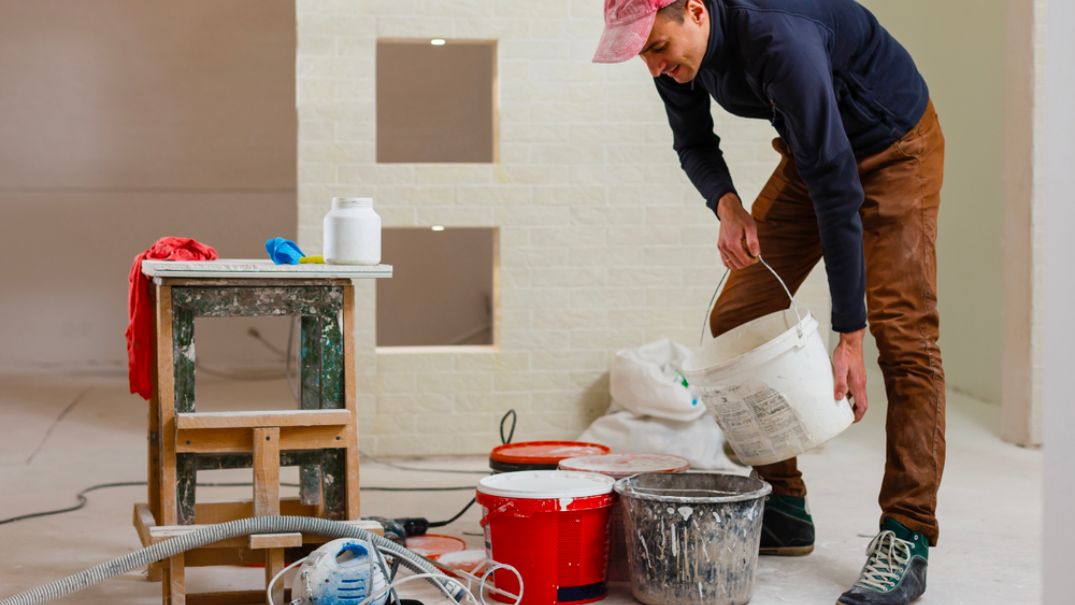
Current paint lines can all be diluted to save costs, but to ensure full paint features, it is necessary to use the correct type of paint thinner required by the manufacturer. Depending on the different paint lines, there will be different types of solvents applied and the mixing ratio will also depend on each paint line. To understand better, you can follow the information below.
What is Paint Solvent?

Paint thinner is a specialized term called Thinner, which is understood as a thinning agent that reduces the viscosity of paint. When mixing solvent with paint, it will dilute the paint, and the paint film will become thinner, more beautiful and easier to apply.
In addition, it also adds other properties such as waterproofing, dustproofing, anti-moss, and increasing the surface coverage of the paint.
Paint thinner are used for paints such as road marking paint, concrete paint, interior paint,...
In fact, each type of paint will be suitable for different paint solvents. If you choose an inappropriate paint solvent, it can affect the properties of the paint film such as:
- Solvents can cause chemical reactions with paint ingredients, causing a number of phenomena such as: sedimentation, clumping, suspension,...
- Solvents have low solubility when mixed with paint and when sprayed can create foam, colored spots or particles on the surface.
- Using solvents of unknown origin or impurities will reduce the quality, gloss, adhesion and color of the paint.
- Using a solvent with a high density makes painting faster. On the contrary, using a solvent with a density that is too low will cause the paint to dry slowly, especially at high temperatures, and the paint film may develop air bubbles.
Solvent And Paint Mixing Ratio
The ratio of solvent and paint is an important factor to achieve good paint quality and a beautiful finished surface. If the mixing ratio is not used correctly, the paint will not adhere well to the surface, will easily peel off, causing color and surface problems on the painted surface.
How to calculate the solvent and paint mixing ratio will depend on the type of paint and solvent used. Normally, paint manufacturers provide detailed mixing ratio instructions on the product label or instruction manual. However, here are some basic guidelines for calculating phase ratio:
Calculate the mixing ratio by weight:
- The most common method for calculating solvent ratio is by weight. The mixing ratio is calculated by dividing the volume of solvent to be mixed into the volume of paint.
- For example: If you need to mix 1 liter of solvent and paint with a 2:1 ratio (from the liter of paint, add 0.5 liters of solvent), then you will need 0.5 liters of solvent and 1 liter of paint.
Calculate the mixing ratio by volume:
- The second most common method for calculating solvent phase ratio is by volume. The mixing ratio is calculated by dividing the volume of solvent to be mixed into the volume of paint.
- For example: If you need to mix 1 liter of solvent and paint in a 2:1 ratio (from the liter of paint, you need to add 0.5 liters of solvent), then you will need 0.33 liters of solvent and 0.67 liters of paint.
Note that some types of solvents and paints have different mixing ratios, so you need to refer to the product label or manufacturer's instructions to know the exact mixing ratio for each product.
Are paint thinner harmful?
Many people still wonder if paint thinner are harmful? Solvents are commonly used in most paints and it must be stated that there are no "safe" solvents. All solvents, whether natural or synthetic, have "toxicity".
Whether in gas or liquid form, paint solvents are still harmful to the health of the construction worker.
1. For the nervous system:
- Solvent exposure can cause dizziness, headaches, nausea, etc. Exposure to high concentrations can cause unconsciousness and even death. Years of exposure to solvents can damage the central nervous system leading to memory loss, insomnia and other nervous system problems.
- The peripheral nervous system is also affected, leading to conditions such as: tremors, itchy skin, fatigue, paralysis, etc. N-hexane solvent is one of the commonly used solvents and is one of substances that cause multiple sclerosis.
2. Harmful effects on the skin:
- Solvents can dissolve the fatty layer that protects the skin, leading to dry, cracked skin and other inflammatory skin conditions. Many solvents can cause severe burns when in direct contact with human skin. Many solvents can penetrate the skin, enter the bloodstream and cause damage to other organs.
3. Harms eyes and respiratory tract:
- All solvents irritate and damage the mucous membranes of the eyes and nose. Unfortunately, if you inhale deeply, the solvent can cause lung damage. Workers often do not recognize solvents at low concentrations, so they do not realize the dangers of these solvents. Respiratory tract infections, colds, chronic respiratory infections,... are symptoms of heavy exposure to solvents.
- When exposed to high concentrations, symptoms will be more severe and frequently occur such as nosebleeds, sore throat, and pharyngitis. Inhaling high concentrations of solvents will cause chemical pneumonia and can be fatal.
4. Impact on internal organs:
- Many types of solvents can cause liver and kidney diseases because these are detoxification organs. Solvents can be the cause of heart attacks or sudden cardiac arrest when exposed to high concentrations of solvents.
- Solvents such as Benzene, Carbon tetrachloride can cause cancer in humans and animals.
5. Very flammable and explosive:
Solvents are highly flammable and explosive chemicals, so workers must work with the necessary safety principles:
- Control the working environment.
- Strictly comply with labor safety regulations.
- Know how to provide first aid in case of an incident. Arrange appropriate rescue vehicles and equipment.
- Know how to read information and instructions in the chemical safety sheet MSDS.
- When there are signs of health effects due to solvents, immediately report to managers and health officials.
Using protective measures, tools and equipment while working with solvents is extremely necessary and mandatory to ensure worker safety.
>> See more: Learn about lines colori alkyd paint.
How to Use Paint Solvent
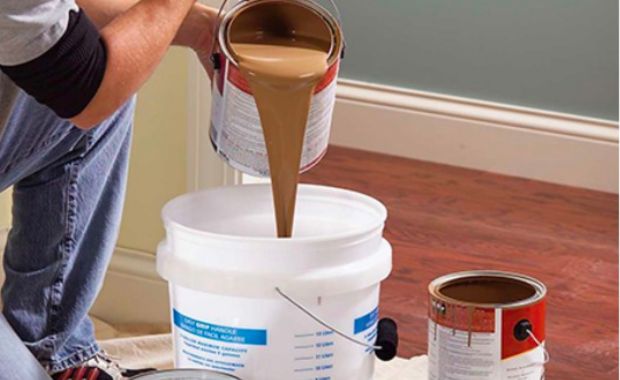
How to Use Paint Solvent
Here's how to use paint thinner safely and properly:
1. Preparation:
- Make sure to have adequate protective equipment including protective shields, masks, gloves, protective jackets and protective shoes.
- Inspect paint products and solvents to ensure they have been stored properly and have not been damaged.
2. Implementation:
- Pour the solvent into a mixing bottle or container with complete mixing ratio indicators.
- Shake the paint well before use to ensure a homogeneous mixture.
- Slowly pour the paint into the solvent tank, according to the specified ratio and stir well until the desired viscosity is achieved.
- Once mixing is complete, close the jar or container tightly and label it to accurately mark the contents.
3. Storage:
- The product should be stored in a cool, dry place and away from direct sunlight.
- Do not leave this product near heat sources or flammable places.
- After use, close the lid tightly and store in a cool, dry place and out of reach of children.
4. Things to note:
- Use solvents in an environment with sufficient air.
- Wear protective equipment when working with solvents.
- Avoid inhaling paint fumes and solvents.
- Do not smoke or bring open flames near paint products or solvents.
Types of Paint Solvents
Below are popular paint solvents on the market:
1. Acetone paint solvent – C3H6O
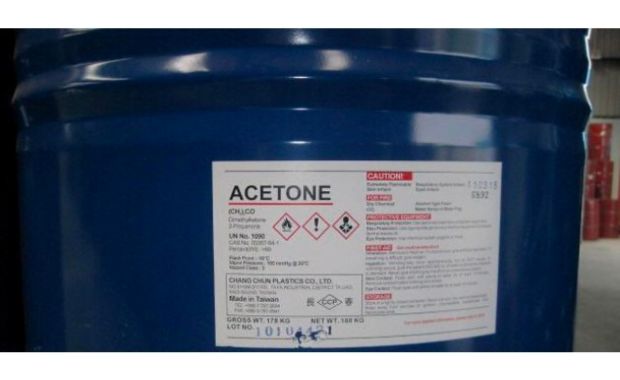
Acetone – C3H6O
- It is a colorless liquid, soluble in water, flammable and volatile at room temperature. Acetone dissolves nitrocellulose, cellulose acetate, and cellulose ether well, so it should be used to reduce the viscosity of paints containing these substances. In addition, it is also a cleaning agent in the cosmetics, nail polish and pharmaceutical industries.
- Acetone should be stored in private or covered places, avoiding places near fire sources and high temperatures above 500 degrees Celsius to avoid fires.
2. Xylene paint solvent – C₈H₁₀

Xylene – C₈H₁₀
- A derivative of benzene, liquid, colorless, insoluble in water. This solvent is widely used in many different industries such as: paint production, printing ink, glue,...
- In addition, xylene is also used to clean metals or semiconductor materials.
- Similar to Acetone, Xylene needs to be stored in a private place, avoiding places with high temperatures above 500 degrees Celsius and places near heat sources to avoid causing fires.
3. Toluene paint solvent – C₆H₅CH₃

Use to mix lipstick Toluene – C₆H₅CH₃
- It is a colorless liquid with high solubility and volatility. Widely used in specialized paints from car paint, sweep paint, road marking paint to ship paint and even indoor furniture paint.
- In addition, this substance is also an ingredient in detergents, used in the production of glue and similar products thanks to its strong solubility.
- Due to the difference in chemical structure, toluene is about 25 times more active than benzene.
4. Paint solvent Diethylene Glycol – C4H10O3
- This solvent is a liquid, colorless, bitter, volatile, hygroscopic, strongly soluble in water and has a high boiling point. When diluted, it has a slightly sweet taste.
- Diethylene Glycol is used to make plasticizers and desiccants for paint, in the paint and dye manufacturing industry, etc. In particular, this solvent helps latex paint have a lower freezing temperature.
5. Butyl Carbitol paint solvent – C8H18O3
The properties of this solvent are a neutral, transparent liquid with low viscosity, mild odor, high boiling point, slow evaporation and is miscible with water and organic solvents, creating into H2O2 in the presence of oxygen.
6. Dibutyl Phthalate – C16H22O4
This solvent exists as an anhydrous, transparent, almost colorless liquid. It is soluble in common organic solvents and has an unrecognizable odor. In addition, this solvent is miscible with monomolecular plasticizers commonly used in PVC and is virtually insoluble in water.
Paint Solvent in Paint Industry
Paint solvent in the paint industry is an important ingredient in industrial paint production because it helps dissolve and mix paint components to create a homogeneous mixture. Solvents are often used in painting, coating and finishing processes for products such as automobiles, machinery, ships and construction projects.
Types of solvents in the paint industry:
- Oil-based solvents: Including types such as gasoline, petroleum, crude oil, etc. These solvents are widely used in the paint industry because they have good solubility and quick drying properties. However, these solvents can cause environmental and health problems.
- Water-based solvents: Including water, alcohol, glycol,... These solvents are safe for health and the environment compared to oil-based solvents. However, it has lower solubility and longer drying time.
Applications of paint solvents in the paint industry:
- Paint preparation: Solvents are used to dissolve and mix paint components, including pigments, film formers, gloss agents, etc.
- Spray painting: Solvents are used to create a paint mixture that is light and easy to spray and allows the paint to be sprayed onto the surface evenly.
- Coating: Solvents are used to coat the surface of the product after painting to create a protective layer against external factors such as moisture, oxidation and friction.
Epoxy paint solvent line

- Epoxy paint is often used in two-component form: epoxy resin and hardener. To mix them together and form a complete epoxy paint, it is necessary to use a thinner. Epoxy paint solvent helps adjust the viscosity of the paint and makes painting easier.
- Solvent for mixing epoxy paint usually an organic solvent such as xylene, toluene, acetone, ethanol, or isopropanol. This solvent can thin the epoxy paint mixture, making it easier for it to contact and penetrate the painted surface.
- When mixing epoxy paint, epoxy resin and hardener must be combined in the exact ratio specified in the manufacturer's instructions. Then, the mixing solvent is gradually added to the epoxy mixture and mixed until the desired viscosity and contrast are achieved. The process of mixing and using epoxy paint solvents should follow the manufacturer's instructions to ensure the best results for the paint's properties and performance.
- Note that the use of organic solvents may be harmful to health and the environment. Therefore, it is necessary to comply with safety and environmental protection rules when using solvents and epoxy paints. If you are unsure about how to use epoxy paint thinner, consult the manufacturer's instructions or seek assistance from someone experienced in using epoxy paint.
What is paint thinner?
- Thinner mixes paint (also known as paint thinner) is a type of solvent used to dilute paint before applying it to the surface. This solvent helps adjust the viscosity of the paint, making the paint thinner and easier to contact the surface, facilitating the painting process and achieving a beautiful, smooth paint surface.
- Thinner mixes paint commonly used with many types of paint, including water-based and oil-based paints. Depending on the type of paint and specific requirements, there are different types of thinners that can be used, such as oil-based thinners (for oil paints) or water-based thinners (for water-based paints).
- Formulas and paint dilution rates are often specified by the manufacturer and may vary depending on the specific type of paint. Proper paint thinning is important to ensure the best performance and quality of the paint.
- When thinning paint, the manufacturer's instructions should be followed to ensure the properties and performance of the paint are not affected. In addition, when using paint thinner, you also need to comply with safety rules, because some solvents can be harmful to health and the environment.
Types of paint mixing solutions

Paint mixing solution (often called paint thinner or paint thinner) are solvents used to dilute paint before applying it to the surface. This solution helps adjust the viscosity of the paint, making the paint thinner and easier to contact the surface, facilitating the painting process and achieving a beautiful, smooth paint surface. Below are some common types of paint thinner:
- Oil-based Thinner: Oil-based Thinner is used to thin oil paint. It often contains organic solvents such as xylene, toluene, or white spirit. Oil-based thinner is suitable for oil paints and some other oil-based paints.
- Water-based Thinner: Water-based Thinner is used to thin water-based paint. This thinner contains water as the primary thinner and is typically free of VOCs or harmful chemicals. Water-based thinner is suitable for water-based paints and indoor decorative paints.
- Acetone: Acetone is a strong organic solvent, often used to quickly thin paint and clean paint tools after use.
- Ethanol and isopropanol: These are common solvents used for paint thinning purposes and cleaning paint tools. They are generally safe and easy to use.
- Toluene and xylene: These solvents are also used in some cases to thin paint, depending on the specific requirements of the paint.
Choosing the appropriate paint thinner depends on the type of paint you are using and the specific requirements of the project. Always follow the manufacturer's instructions and safety rules when using paint thinner.
Thinner solvent
- Solvent Thinner (often called Thinner) is a solvent used to dilute paint before applying it to the surface. Thinner helps adjust the viscosity of paint, making it thinner and easier to contact the surface, facilitating the painting process and achieving a beautiful, smooth paint surface.
There are many popular thinners used in paint thinning, including:
- Oil-based Thinner: Oil-based Thinner often contains organic solvents such as xylene, toluene, white spirit or kerosene. This thinner is used to thin oil paint and some other oil-based paints.
- Water-based Thinner: Water-based Thinner usually contains water as the main thinner and does not contain VOCs or toxic chemicals. It is used to thin water-based paints and indoor decorative paints.
- Acetone: Acetone is a strong organic solvent, often used to quickly thin paint and clean paint tools after use.
- Ethanol and isopropanol: These are common solvents used for paint thinning purposes and cleaning paint tools. They are generally safe and easy to use.
- Toluene and xylene: These solvents are also used in some cases to thin paint, depending on the specific requirements of the paint.
Choosing the appropriate thinner depends on the type of paint you are using and the specific requirements of the project. Always follow the manufacturer's instructions and safety rules when using thinner.
solvent for oil paint
Solvent for oil paint (Oil-based Thinner) is a solvent used to dilute oil paint before applying it to the surface. Oil paint has a high density and high viscosity, so a thinner is needed to make the paint thinner and easier to contact the surface.
Common solvents used to mix oil paint include:
- Xylene: Xylene is a common organic solvent and is widely used in thinning oil paints. It helps thin the paint and increase the viscosity of the paint to create a beautiful, smooth paint surface.
- White spirit: White spirit, also known as kerosene, is a fairly common solvent used to mix oil paint. It has effective thinning properties and is commonly used in interior and exterior painting projects.
- Toluene: Toluene is a strong organic solvent and is more expensive than xylene and white spirit. It is often used when a stronger solvent is required to thin oil paints.
- The process of thinning oil paint should follow the manufacturer's instructions to ensure that the properties and performance of the paint are not affected. In addition, the use of oil paint solvents also requires compliance with safety rules, because some solvents can be harmful to health and the environment. Be sure to work in a well-ventilated environment and use personal protective measures when using solvents.
iron paint solvent
Solvent for iron paint (Metal Thinner) is a solvent used to dilute iron paint before painting on metal surfaces. Iron paint often has high viscosity and requires a thinner to make the paint thinner and easier to contact the metal surface.
Common solvents used to thin iron paint include:
- Oil-based thinner: Oil-based thinner, such as xylene, toluene or kerosene (white spirit), is often used to thin iron paint.
- Special iron paint solvents: Some paint manufacturers offer special solvents for thinning their iron paints, as each type of paint may require different solvents.
- Thinning of iron paint should follow the manufacturer's instructions to ensure that the properties and performance of the paint are not affected. Usually, the iron paint dilution ratio will be pre-determined by the manufacturer, depending on the type of paint and specific requirements of the project.
- As with any solvent, when using iron paint thinner, follow safety rules, work in a well-ventilated environment, and use personal protective measures to ensure safety. in use.
Solvent for wood paint
Solvent for wood paint (Wood Thinner) is a solvent used to dilute wood paint before applying it to the wood surface. Wood paint often has high viscosity and requires a thinner to make the paint thinner and easier to contact the wood surface.
Common solvents used to thin wood paint include:
- Oil-based thinner: Oil-based thinner, such as xylene, toluene or white spirit, is often used to thin wood paint.
- Water-based Thinner: Water-based Thinner, which contains water as the primary thinner, can also be used to thin some water-based wood paints.
- Special wood paint solvents: Some paint manufacturers offer special solvents for thinning their wood paints, as each type of paint may require different types of solvents.
Thinning wood paint should follow the manufacturer's instructions to ensure the properties and performance of the paint are not affected. Wood paint dilution rates are often pre-determined by the manufacturer, depending on the type of paint and specific project requirements.
As with any solvent, when using wood paint solvents, follow safety rules, work in a well-ventilated environment, and use personal protective measures to ensure safety. in use.
Eagle paint solvent
- Eagle paint solvent (Eagle Thinner) is a solvent used to dilute Eagle paint before applying it to the surface. Eagle paint often has high viscosity and requires a thinner to make the paint thinner and easier to contact the surface.
- Eagle paint solvent Often specially formulated to suit Dai Bang paints, to optimize the performance and quality of the paint. The quality of Eagle paint solvents is also guaranteed to meet safety and environmental standards.
- As with thinning any paint, following the manufacturer's instructions is important to ensure the properties and performance of the paint are not affected. Eagle paint dilution ratio should follow the manufacturer's specific instructions, depending on the type of paint and specific project requirements.
- When using Eagle paint solvent, always follow safety rules, work in a well-ventilated environment and use personal protective measures to ensure safety during use.
How to preserve solvents
Proper storage of solvents is important to ensure their safety and effectiveness. Here are some ways to preserve solvents:
- Store in a cool and dry place: Solvents should be stored in a cool, dry and room temperature place. Avoid exposing the solvent to direct sunlight and high heat sources.
- Avoid fire and heat sources: Solvents can be flammable, so avoid storing them near fire or high heat sources.
- Close the lid tightly after use: After use, tightly close the lid of the solvent jar or bottle to prevent air and moisture from entering inside and reduce solvent evaporation.
- Avoid prolonged exposure to air: When using solvents, avoid exposing them to air for too long, as this may reduce the effectiveness of the solvent.
- Avoid contact with water: Water can reduce the effectiveness of solvents, so avoid exposing them to water.
- Store Separately and Mark Clearly: If you have multiple solvents, store them separately and clearly marked to avoid confusion during use.
- Keep out of reach of children and pets: Solvents can be harmful if exposed to skin or swallowed, so keep them out of reach of children and pets.
- Observe the expiration date: Review the solvent's expiration date on the packaging and do not use the solvent after the expiration date.
- Additionally, follow safety rules and manufacturer's instructions when using solvents. If you are unsure about how to store a particular solvent, seek information from a reliable source or seek assistance from someone experienced in the use of solvents.
Contact Info:
CHI HAO TRADING SERVICES COMPANY LIMITED
Address: 606/76/4, Highway 13, Hiep Binh Phuoc Ward, Thu Duc District, Ho Chi Minh City
Phone number: 028 626 757 76
Hotline: 0818 21 22 26
Fax: 028 626 757 28
Email: [email protected]